Showing posts with label fatty acids. Show all posts

Thursday, January 23, 2014

Omega 3 and Brain Shrinkage

OLDER WOMEN with higher levels of omega-3 fatty acids in their blood had slightly less brain shrinkage than women with low fatty acid levels in a new study.
The results may suggest that omega-3s protect the brain from the loss of volume that happens with normal aging and is seen more severely in people with dementia, the researchers say.
"The brain gets smaller during the normal aging process - about 0.5 percent per year after age 70, but dementia is associated with an accelerated and localized process of brain shrinkage," said James Pottala, who led the study.
Pottala is an assistant professor at the University of South Dakota Sanford School of Medicine in Sioux Falls and chief statistician for the Health Diagnostic Laboratory in Richmond, Virginia.
He and his colleagues analyzed data from the Women's Health Initiative Memory Study to see whether omega-3s were associated with brain shrinkage in general, and in specific brain regions involved in memory and other cognitive processes.
The data covered 1,111 women who were, on average, 70 years old and had no signs of dementia at the beginning of the study. At that time, the amounts of the omega-3 fatty acids eicosapentaenoic acid (EPA) and docosahexaenoic acid (DHA) in their red blood cells were measured.
DHA accounts for 30 percent to 40 percent of the fatty acids found in brain cell membranes, and it's especially concentrated near the synapses where the cells communicate with one another, Pottala and his colleagues note in their report, published in the journal Neurology.
Red blood cell levels of the omega-3s are good indicators of how much a person has consumed, the researchers add.
The researchers used an omega-3 index to describe the fatty acid levels seen among women in the study and to divide them into four groups: women with the highest levels had an average index reading of around 7.5 percent, while women with the lowest levels had an average of 3.4 percent.
Eight years after the women's blood was tested, they underwent MRIs to measure the volume of gray matter and white matter in their brains.
The researchers found that women with the highest EPA and DHA blood levels at the study's outset had brains that were about two cubic centimeters larger overall than women with the lowest levels.
In addition, the hippocampus, a brain region critical to forming and storing memories, was 2.7 percent larger in women who had fatty acid levels twice as high as the average.
Of 13 specific brain regions the researchers looked at, the hippocampus was the only one where they saw a significant difference.
The analysis adjusted for other factors that could influence the women's brain size, including education, age, other health conditions, smoking and exercise.
The researchers didn't measure cognitive function, only brain volume, so they cannot say whether the size differences they saw had any link with differences in memory or dementia risk.
The authors acknowledged other limitations in their report, including that they did not look at whether the women's omega-3 consumption had changed over time.
It's possible that some of the participants had changed their diets or started taking fish oil or other forms of omega-3 fatty acids, Pottala told Reuters Health in an email.
But in previous study, he and his colleagues showed red blood cell EPA and DHA levels and peoples' dietary fish intakes generally don't change over time.
"If some subjects in our MRI study began taking fish oil supplements, then the reported benefits would be underestimated," Pottala said.
Pottala says higher blood levels of omega-3 fatty acids can be achieved by dietary changes, such as eating oily fish twice a week or taking fish oil supplements.

http://www.nutrametrix.com/orlampa/index.cfm?action=shopping.nGoShopProducts&skuID=13893NM&refEmail=&switchPrdCountry=USA
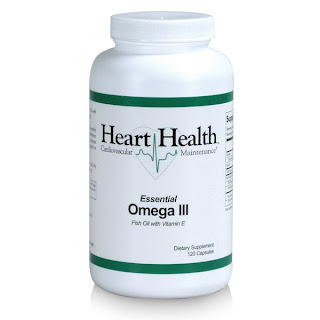
Heart Health Omega III
nutraMetrix Heart Health Essential Omega III with Vitamin E is a superior product due to a number of factors. The best fish are used to produce a clean and safe product that is rich in eicosapentaenoic acid (EPA) and docosahexaenoic acid (DHA). It also contains 3000mg of fish oil where most other commercial products contain a third of the total fish oil contained in nutraMetrix Heart Health Essential Omega III. nutraMetrix Heart Health Essential Omega III comes from small fish where other competitive products use large fish which are more likely to accumulate toxins. nutraMetrix Heart Health Essential Omega III provides a high quality, high purity product with significant percentages of the health promoting EPA and DHA.
The fish oil in nutraMetrix Heart Health Essential Omega III with Vitamin E comes from sardines and anchovies harvested off the coast of Peru. Not only do anchovies and sardines have a high omega III content, they also have high percentages of eicosapentaenoic acid (EPA) and docosahexaenoic acid (DHA). Anchovies and sardines have a short lifecycle making them an ideal source of fish oil because they are less prone to accumulating environmental toxins that can be found in larger, longer-lived fish. Contaminants are generally extremely low in sardines and anchovies even before they go through an intense purification process. Every batch of fish oil is hand selected and tested prior to processing by our manufacturer and must pass more than 200 quality checks during the production process.
Recent research has shown that that fish oil may be beneficial in supporting cognitive function by helping the body manage stress and enhance mood. It may also promote a healthy complexion. In an article published in The American Journal of Clinical Nutrition, the effects of Omega-3 Fish oil supplementation was shown to be beneficial for healthy cognitive and cardiac functioning. The study shows that supplementing with fish oil daily can rapidly raise the levels of EPA and DHA in cardiac tissue. This is important because both EPA and DHA have been proven to help maintain normal plasma triglycerides. In addition, DHA has been shown to help maintain blood pressure and blood viscosity. This study also showed an inverse relationship between EPA/DHA and arachidonic acid (AA), an omega-6 fatty acid. As EPA and DHA increased in atrial (heart tissue) phospholipids, AA decreased.1 
nutraMetrix Heart Health Essential Omega III Fish Oil with Vitamin E provides the three grams of EPA† (eicosapentaenoic acid) and DHA† (docosahexaenoic acid) that studies reveal is the most effective amount to promote overall cardiovascular health. Fish oils have been clinically demonstrated to provide a host of benefits that successfully promote cardiovascular health. nutraMetrix Heart Health Essential Omega III Fish Oil helps maintain normal cholesterol, triglyceride and blood pressure levels, helps maintain healthy levels of C-reactive protein, helps maintain normal blood flow and helps enhance mood. The fish oil used in nutraMetrix Heart Health Essential Omega III is tested twice, once from the manufacturer and then by an independent testing company for mercury, lead, PCB and other heavy metals. Both tests confirmed that nutraMetrix Heart Health Essential Omega III Fish Oil is free of mercury, lead, PCBs and other heavy metals. We only use fish oil that meets or exceeds standards set by Canada (CFIA), the European Union (EU) and the United States (CRN).*
An unhealthy diet of processed, high-calorie, high-fat foods, pollution, smoking and sedentary lifestyles all contribute to poor heart health. Not smoking, maintaining a healthy weight, eating a diet rich in fruits, vegetables and whole grains, exercising regularly and taking the right supplements can all contribute to promoting good cardiovascular health. Clinical trials have shown that supplementing with omega-3 fatty acids (found in fish oil) may help to maintain normal levels of triglycerides and cholesterol, support healthy blood pressure and promote normal platelet activity.
 To order or for more information:
orlampahealth.com
727.492.8212
*Free Shipping on all orders over $100*
Ask about our Heart Health Month Special


-Reuters Health

Thursday, October 31, 2013

Benefits of Omega 3 Fatty Acids

Omega-3 fatty acids are key for normal development and growth. Lack of dietary intake of omega-3 fatty acids and too much intake of omega-6 fatty acids is believed to be a significant contributing factor to many diseases. Since the human body cannot make omega-3 fatty acids, we have to get them from our diet. Omega-3 supplements have  become one of the most popular supplements in the U.S. They're used to help prevent and treat a number of serious diseases.

Why do people take omega-3 fatty acids?

Studies show strong evidence that omega-3 fatty acids from fish oil can lower blood pressure and triglyceride levels. There's also good evidence that diets high in omega-3 fatty acids help with rheumatoid arthritis. Past evidence pointed to omega-3 fatty acids reducing risk of heart attacks, strokes and death from heart disease, but recent research has refuted these findings. More specific research is needed to sort this out.
Omega-3 fatty acids have been studied in many other conditions. They include asthma, cancer, depression, psoriasis, and inflammatory bowel diseases such as Crohn's disease and ulcerative colitis. While some of these studies have been promising, they're still inconclusive.
The different types of omega-3 fatty acids can be confusing. There are the fish oils, which contain docosahexaenoic acid (DHA) and eicosapentaenoic acid (EPA). Then there are the plant sources with alpha-linolenic acid (ALA), which is converted into omega-3 fatty acids in the body.
Studies have generally used fish oils as the source for omega-3 fatty acids. While plant sources with ALA may have the same benefits, less is known about them. For now, fish oils with DHA and EPA have the more established benefit.

How much omega-3 fatty acids should you take?

There are no standard doses for omega-3 fatty acids. The American Heart Association (AHA) recommends 1 gram per day of EPA+DHA for people with heart disease. Higher doses -- between 2 to 4 grams per day -- are used to lower triglycerides. If you need to take omega-3 fatty acid supplements, ask your health care provider what dosage you should use. Children shouldn't use omega-3 fatty acid supplements unless a doctor suggests it.

Can you get omega-3 fatty acids naturally from foods?

Good food sources of omega-3 fatty acids include:
  • Coldwater fish, like mackerel, tuna, salmon, and sardines
  • Cod liver
  • Flaxseed and canola oils
  • Soybeans and tofu
  • Walnuts
The AHA recommends that people eat fish at least twice a week to increase their intake of omega-3 fatty acids.
Eating fewer foods with omega-6 fatty acids -- like some meats, eggs, and oils -- can also improve the ratio of omega-3 fatty acids in the blood, effectively raising the concentration or levels in the body. Many people in the U.S. eat diets that have 10-25 times as many omega-6 fatty acids as they do omega-3 fatty acids. This imbalance may play a role in the onset of many diseases. The more appropriate ratio appears to be approximately 3:1 or 4:1.

What are the risks of taking omega-3 fatty acids?

  • Side effects. Omega-3 fatty acid supplements might cause upset stomach or diarrhea. These side effects are worse at higher doses.
  • Interactions. If you take blood thinners, anti-platelet drugs, or anti-inflammatory painkillers (like Advil or Motrin), talk to your health care provider about using omega-3 fatty acids. The combination may increase the risk of bleeding. The same risks may apply to people taking supplements like ginkgo biloba.
  • Risks. People who are pregnant, have diabetes, a high risk of bleeding (particularly those on "blood thinners"), or high LDL cholesterol should check with their health care provider before taking omega-3 fatty acid supplements. At very high doses, they could increase the risk of hemorrhagic stroke. Eating fish is generally the best way to get omega-3 fatty acids. But keep in mind that some fish contain higher levels of mercury: king mackerel, swordfish, and albacore tuna. The benefits of eating fish are thought to outweigh the risks, but it's a good idea to limit intake of these high-mercury fish.
****
There are an abundance of fish oil products on the market but only Heart Health Essential Omega III Fish Oil with Vitamin E uses the best fish to provide a clean and safe product rich in eicosapentaenoic acid (EPA) and docosahexaenoic acid (DHA). Also, in contrast to competitors who use large fish, Heart Health Essential Omega III uses small fish such as sardines and anchovies to limit the accumulation of toxins prevalent in larger fish. In addition, by containing 3000mg of fish oil, Heart Health Essential Omega III contains nearly three times more fish oil than most other fish oil products, and meets the 3g recommendation of the American Heart Association.*


http://www.shop.com/orlampa/561800368-p+260.xhtml?vid=214199.


What Makes Heart Health™ Essential Omega III Fish Oil with Vitamin E Unique?  
Heart Health Essential Omega III with Vitamin E is a superior product due to a number of factors. The best fish are used to produce a clean and safe product that is rich in eicosapentaenoic acid (EPA) and docosahexaenoic acid (DHA). It also contains 3000mg of fish oil where most other commercial products contain a third of the total fish oil contained in Heart Health Essential Omega III. Heart Health Essential Omega III comes from small fish where other competitive products use large fish which are more likely to accumulate toxins. Heart Health Essential Omega III provides a high quality, high purity product with significant percentages of the health promoting EPA and DHA. 
The fish oil in Heart Health Essential Omega III with Vitamin E comes from sardines and anchovies harvested off the coast of Peru. Not only do anchovies and sardines have a high omega-3 content, they also have high percentages of eicosapentaenoic acid (EPA) and docosahexaenoic acid (DHA). Anchovies and sardines have a short lifecycle making them an ideal source of fish oil because they are less prone to accumulating environmental toxins that can be found in larger, longer-lived fish. Contaminants are generally extremely low in sardines and anchovies even before they go through an intense purification process. Every batch of fish oil is hand selected and tested prior to processing by our manufacturer and must pass more than 200 quality checks during the production process. 
Recent research has shown that fish oil may be beneficial in supporting cognitive function by helping the body manage stress and enhance mood. It may also promote a healthy complexion. In an article published in The American Journal of Clinical Nutrition, the effects of omega-3 fish oil supplementation was shown to be beneficial for healthy cognitive and cardiac functioning. The study shows that supplementing with fish oil daily can rapidly raise the levels of EPA and DHA in cardiac tissue. This is important because both EPA and DHA have been proven to help maintain normal plasma triglycerides. In addition, DHA has been shown to help maintain blood pressure and blood viscosity. This study also showed an inverse relationship between EPA/DHA and arachidonic acid (AA), an omega-6 fatty acid. As EPA and DHA increased in atrial (heart tissue) phospholipids, AA decreased.1  
Heart Health™ Essential Omega III Fish Oil with Vitamin E provides the three grams of omega III that studies reveal is the most effective amount to promote overall cardiovascular health. Fish oils have been clinically demonstrated to provide a host of benefits that successfully promote cardiovascular health. Essential Omega III Fish Oil helps maintain normal cholesterol and triglyceride levels, promotes healthy blood pressure levels, helps maintain healthy levels of C-reactive protein, helps maintain normal blood flow and helps enhance mood. The fish oil used in Essential Omega III is tested twice, once from the manufacturer and then by an independent testing company for mercury, lead, PCB and other heavy metals. Both tests confirmed that Heart Health Essential Omega III Fish Oil is free of mercury, lead, PCPs and other heavy metals. We only use fish oil that meets or exceeds standards set by Canada (CFIA), the European Union (EU) and the United States (CRN).* 
An unhealthy diet of processed, high-calorie, high-fat foods, pollution, smoking and sedentary lifestyles all contribute to poor heart health. Not smoking, maintaining a healthy weight, eating a diet rich in fruits, vegetables and whole grains, exercising regularly and taking the right supplements can all contribute to promoting good cardiovascular health. Clinical trials have shown that supplementing with omega-3 fatty acids (found in fish oil) may help to maintain normal levels of triglycerides and cholesterol, support healthy blood pressure and promote normal platelet activity.*
 *These statements have not been evaluated by the Food and Drug Administration. This product(s) is not intended to diagnose, treat, cure or prevent any disease.
CLICK HERE TO ORDER 

Thursday, October 25, 2012

Omega-3s May Slow Biological Aging

New Study Shows Omega-3s May Slow Biological Aging

Courtesy of Lee Swanson & Swanson Research

October 23, 2012

Supplements of omega-3 fatty acids may improve the ratio of omega-6 to omega-3 fatty acids and slow a key biological process linked to aging, says exciting new research.

Data published in Brain, Behavior, and Immunity indicated that four months of supplementation with omega-3s was associated with longer telomeres in immune system cells. Telomeres are DNA sequences at the end of chromosomes that shorten as cells replicate and age.

The aging and lifespan of normal, healthy cells are linked to the so-called telomere shortening mechanism, which limits cells to a fixed number of divisions. During cell replication, the telomeres function by ensuring the cell's chromosomes do not fuse with each other or rearrange.

Elizabeth Blackburn, a telomere pioneer at the University of California San Francisco and co-author of the new paper, likened telomeres to the ends of shoelaces, without which the lace would unravel. With each replication the telomeres shorten, and when the telomeres are totally consumed, the cells are destroyed (apoptosis). Previous studies have also reported that telomeres are highly susceptible to oxidative stress. Some experts have noted that telomere length may be a marker of biological aging.
"The telomere finding is provocative in that it suggests the possibility that a nutritional supplement might actually make a difference in aging," said Professor Jan Kiecolt-Glaser from Ohio State University and lead author of the study.

A previous observational study published in the Journal of the American Medical Association in 2010 (Vol. 303, Pages 250-257) showed high blood levels of omega-3 fatty acids may slow cellular aging in people with coronary heart disease.

Professor Kiecolt-Glaser and co-workers recruited 106 healthy, sedentary, overweight, middle-aged and older adults to participate in their double-blind four-month trial. Participants were randomly assigned to one of three groups: The first group received 2.5 grams per day of omega-3, the second group received 1.25 grams per day of omega-3 and the third group received placebo capsules.

After four months of supplementation, results showed that omega-3 supplementation significantly decreased measures of oxidative stress, with F2-isoprostane levels found to be 15% lower in the two supplemented groups compared to placebo.
 
There were no significant differences in telomerase and telomere length between the groups. However, a decreased ratio of omega-6:omega-3 was associated with longer telomeres, which suggested that lower omega-6:omega-3 ratios "can impact cell aging," the researchers said.  Inflammatory markers also decreased by between 10% and 12% as a result of omega-3 supplementation, while levels increased by 36% in the placebo group.

"This finding strongly suggests that inflammation is what’s driving the changes in the telomeres," said Kiecolt-Glaser.

Click here to order or call 727.492.8212


Orlampa Enterprises, Inc. specializes in helping individuals lose sickness and find wellness.  
Orlampa Enterprises also helps health care professionals implement holistic wellness programs into their existing practice with the goal to educate both the health care provider and the patient. The programs, which provide the health care professional with a substantial additional income stream in this ever changing medical marketplace, allow the patient to achieve true wellness instead of receiving a traditional treatment for symptoms.

Orlampa Enterprises is an internet based product broker specializing in personalized health and wellness related services. Orlampa Enterprises is primed to continue its growth by duplicating its successful business model of educating, training, and developing entrepreneurial leaders as business partners. As an Unfranchise™ business owner, Orlampa Enterprises, proudly utilizes highly researched products including nutraMetrix® nutritional supplements. 

 Orlampa Enterprises' motto is "Eat well, exercise, and supplement intelligently."

Contact Beth at bb@orlampa.com or 727.492.8212 for more information about nutraMetrix® partnership opportunities available.