Showing posts with label EPA. Show all posts

Sunday, February 16, 2014

Love Your Heart For A Longer Life

Courtesy: Dr. Mao Shing Ni

Santa Monica Mirror


February celebrates heart-health month, and with Valentine’s Day today, you should take more to heart than just a box of chocolates! Since heart disease is one of the leading causes of death in the Western world, focus on protecting this vital organ so you can celebrate life and love for years to come!

As cheerful Cupid sharpens his arrow, take note to hone your health this month by cultivating three healthy habits that will get you one step closer to a happier, healthier heart.
Love Can Unclog Arteries!
Loving unconditionally and accepting love from others makes your life not only meaningful but healthy. Researchers have found that tender, loving care reduced atherosclerosis and risk of heart attack in rabbits fed with high amounts of cholesterol. Even watching movies about love or subjects that inspire altruism has been shown to increase levels of immunoglobulin-IGA – the first line of defense against cold and flu viruses.
Outstanding Omegas
We all know the importance of consuming these essential fatty acids, but are you making them as much a part of your daily diet as you should? Scientific research indicates that these healthy fats can prevent a wide range of diseases such as cardiovascular disease, type 2 diabetes, depression, and joint pain.
Omega-3 fats have powerful anti-inflammatory properties and can potentially help prevent cancer cell growth. The three most important omega-3 fatty acids include alpha-linolenic acid (ALA), eicosapentaenoic acid (EPA), and docasahexaenoic acid (DHA).
While our body must convert ALA to DHA and EPA, they can be found directly from cold-water fish such as salmon, tuna, halibut, and herring.
If fish is not on your daily lunch special, then try these alternatives: flaxseeds, walnuts, hemp seeds, soybeans, Brussels sprouts, kale, spinach, pumpkin seeds, walnuts, and purslane (a succulent green, considered a weed by those who are not in the know).
Commit To Cardio
To maximize the health of your heart, practice at least 30 minutes of aerobic exercise daily. You don't have to run a marathon to reap the benefits of physical activity: a simple brisk walk can reduce your risk of developing heart disease, high blood pressure, and cancer.
Walking can also boost your metabolism and immune system, relieve stress, and improve your sleep.
In addition to all of these benefits, exercise can maintain a healthy weight, which is a key factor in disease prevention.
If your boots are not made for walking, then choose an activity that is fun for you so you can keep moving and your heart pumping: swimming, zumba, running, roller skating, cross-country skiing, bicycling, jumping rope – to name a few good choices!
Loving Family Equals Long Life
Centenarians are beloved by their family members, and studies show that people with happy family lives tend to have less illness and a longer life span.
A good familial relationship does not necessarily come automatically, but it is worth the personal effort to build and maintain one. Investing in your relationships can pay dividends in a life rich in love, respect, and a sense of belonging.
Fill your family with happiness based on trust, mutual help, love, peace, listening, humility, honesty, justice and sharing.
Stress Less, Live Longer
Modern life can be overwhelming with the daily stresses that life throws at us. Unfortunately, overloading our system with too much work, rapid-paced technological gadgets, and too little rest can increase your chances of developing high blood pressure and heart disease.
It is essential to find ways to minimize daily stress and information overload. Try limiting the amount of time you spend on your iPhone and Blackberry, checking email or surfing the Internet. Instead of tuning into the tube, perhaps you can devote that time to a relaxing bath, quiet reading, or a calming yoga practice.
May you live long, live strong, and live happy!

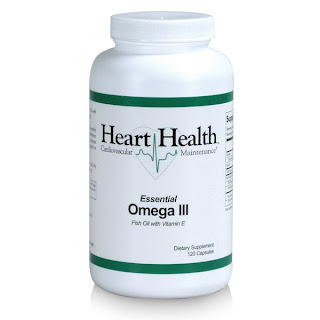
Why Heart Health Omega III?
nutraMetrix Heart Health Essential Omega III with Vitamin E is a superior product due to a number of factors. The best fish are used to produce a clean and safe product that is rich in eicosapentaenoic acid (EPA) and docosahexaenoic acid (DHA). It also contains 3000mg of fish oil where most other commercial products contain a third of the total fish oil contained in nutraMetrix Heart Health Essential Omega III. nutraMetrix Heart Health Essential Omega III comes from small fish where other competitive products use large fish which are more likely to accumulate toxins. nutraMetrix Heart Health Essential Omega III provides a high quality, high purity product with significant percentages of the health promoting EPA and DHA.
The fish oil in nutraMetrix Heart Health Essential Omega III with Vitamin E comes from sardines and anchovies harvested off the coast of Peru. Not only do anchovies and sardines have a high omega III content, they also have high percentages of eicosapentaenoic acid (EPA) and docosahexaenoic acid (DHA). Anchovies and sardines have a short lifecycle making them an ideal source of fish oil because they are less prone to accumulating environmental toxins that can be found in larger, longer-lived fish. Contaminants are generally extremely low in sardines and anchovies even before they go through an intense purification process. Every batch of fish oil is hand selected and tested prior to processing by our manufacturer and must pass more than 200 quality checks during the production process.
Recent research has shown that that fish oil may be beneficial in supporting cognitive function by helping the body manage stress and enhance mood. It may also promote a healthy complexion. In an article published in The American Journal of Clinical Nutrition, the effects of Omega-3 Fish oil supplementation was shown to be beneficial for healthy cognitive and cardiac functioning. The study shows that supplementing with fish oil daily can rapidly raise the levels of EPA and DHA in cardiac tissue. This is important because both EPA and DHA have been proven to help maintain normal plasma triglycerides. In addition, DHA has been shown to help maintain blood pressure and blood viscosity. This study also showed an inverse relationship between EPA/DHA and arachidonic acid (AA), an omega-6 fatty acid. As EPA and DHA increased in atrial (heart tissue) phospholipids, AA decreased.1 
nutraMetrix Heart Health Essential Omega III Fish Oil with Vitamin E provides the three grams of EPA†(eicosapentaenoic acid) and DHA† (docosahexaenoic acid) that studies reveal is the most effective amount to promote overall cardiovascular health. Fish oils have been clinically demonstrated to provide a host of benefits that successfully promote cardiovascular health. nutraMetrix Heart Health Essential Omega III Fish Oil helps maintain normal cholesterol, triglyceride and blood pressure levels, helps maintain healthy levels of C-reactive protein, helps maintain normal blood flow and helps enhance mood. The fish oil used in nutraMetrix Heart Health Essential Omega III is tested twice, once from the manufacturer and then by an independent testing company for mercury, lead, PCB and other heavy metals. Both tests confirmed that nutraMetrix Heart Health Essential Omega III Fish Oil is free of mercury, lead, PCBs and other heavy metals. We only use fish oil that meets or exceeds standards set by Canada (CFIA), the European Union (EU) and the United States (CRN).*
An unhealthy diet of processed, high-calorie, high-fat foods, pollution, smoking and sedentary lifestyles all contribute to poor heart health. Not smoking, maintaining a healthy weight, eating a diet rich in fruits, vegetables and whole grains, exercising regularly and taking the right supplements can all contribute to promoting good cardiovascular health. Clinical trials have shown that supplementing with omega-3 fatty acids (found in fish oil) may help to maintain normal levels of triglycerides and cholesterol, support healthy blood pressure and promote normal platelet activity.*
Related terms:  nutrametrix® Heart Health™ Essential Omega III Fish Oil with Vitamin E, omega 3, fish oil, EPA, DHA, cholesterol, heart health, cardiovascular health, fish.
†According to the FDA, supportive, but not conclusive research shows that consumption of EPA and DHA omega-3 fatty acids may reduce the risk of coronary heart disease.
* These statements have not been evaluated by the Food and Drug Administration.
This product(s) is not intended to diagnose, treat, cure or prevent any disease.

Monday, July 15, 2013

How a SELECTed Bad Study Became Big News

Written By: Dr. Michael Murray (article courtesy of GreenMedInfo.com)

How a SELECTed Bad Study Became Big News
On July 10, 2013, major media headlines and news stories claimed "Too Much Fish Oil Might Boost Prostate Cancer Risk." Wow, that sure seems fishy given all of the positive health benefits linked to fish oil intake. In examining the study, there are numerous issues that clearly indicate that perhaps the conclusion is wrong, but really a study's conclusion is only as good as the study itself.

Data Used was From the SELECT Study
The pedigree of the study source is impressive. It was published in the Journal of the National Cancer Institute and was conducted by researchers from the Fred Hutchinson Cancer Center in Seattle, WA.1 Yet, the data they used is from the much maligned Selenium and Vitamin E Cancer Prevention Trial (SELECT). That is the real problem.
The SELECT study was a very large clinical study that attempted to determine whether vitamin E  could prevent prostate cancer. Previous studies had shown 50 IU of vitamin E was protective against prostate cancer, but the SELECT study chose to use 400 IU of synthetic vitamin E (dl-alpha-tocopherol) at a dosage of 400 IU. Results showed that the subjects taking vitamin E alone had a 17% higher risk of prostate cancer compared to the control group.
In the new analysis, researchers measured the levels of fats in the blood (plasma phospholipids) and concluded that men with the highest concentrations of EPA, DPA and DHA-three fatty acids derived from fish and fish-oil supplements-had an increased risk of prostate cancer. Specifically, they reported a 71 percent increased risk of high-grade prostate cancer; a 44 percent increase in the risk of low-grade prostate cancer and an overall 43 percent increase in risk for total prostate cancer in a subset of patients with the highest level of these omega-3 fatty acids.
Important considerations of this data are the following:
  • This study is not consistent with other studies (discussed below)
  • The study did NOT include information or documentation of fish or fish oil intake in the study group. It was NOT set up initially to evaluate these factors, hence its relevance is not as significant as studies designed to specifically determine the impact of omega-3 fatty acids on prostate cancer risk.
  • There is no evidence that anybody in this study took fish oil supplements or even ate fish.
  • In usual circumstances, plasma levels of EPA and DHA reflect very recent intake and are considered a poor biomarker of long-term omega-3 intake.
  • Patients with prostate cancer may have only recently increased their fish and/or fish oil consumption.
  • Fish and fish oil ingestion produces a big rise in plasma omega-3 levels in about 4.5 hours and washes out around 48 hours.
  • The data may reflect cancer activity rather than a causative association. Without dietary history or documentation of fish oil use there is no way of knowing.
Lastly, the following statement by the authors suggests that they may have significant bias: "There is really no evidence that taking dietary supplements is beneficial to health, and there is increasing evidence that taking high doses is harmful." Such a statement shows a clear axe to grind in light of a great deal of scientific evidence on the value of dietary supplementation.

A Closer Look at the Reported Results
Let's take a closer look at the reported results to see if things add up. The bottom line is that they do not. Let's first take a look at the blood levels of EPA+DHA – the major forms of long-chain omega-3 fatty acids found in fish oil supplements. As Table 1 shows the levels are quite similar among the groups. These blood levels of EPA+DHA are actually quite modest and do not reflect huge levels of fish or fish supplements being consumed. The average EPA+DHA plasma level for men is generally approximately 4%. So, the levels reported here are typical, but a little lower than normal and the ratio of EPA to DHA is also a little lower as well.
Table 1. Distribution of EPA and DHA among SELECT participants by prostate cancer grade (n=2273)*
 
That the researchers did next was divide cancer patients up by their blood levels of fatty acids and look at the hazard ratio – the relative risk over time – associated with different levels of the various fatty acids (see Table 2). As it relates to EPA, statistical significance was not achieved for total cancer or high-grade cancer (the P value has to be less than 0.05 to be deemed anything more than random chance). For DHA, there was statistical significance. But, again, the levels of DHA are typical of what is found in men consuming modest amounts of fish. However, the level of EPA was lower than that typically found and the ratio of EPA to DHA was also lower. What this may mean is that there may be increased conversion of EPA to DHA in prostate cancer. Though one interesting observation is that the hazard ratio (HR) actually went down in high-grade prostate cancer in the group with the highest level of DHA compared to the next highest group. This suggests that it is not that significant of a factor as one would expect if it was that the higher the level the higher the HR. But, this finding has a P value of 0.09 so no real conclusions can be made as it was probably a random finding.
Table 2. Associations between EPA and DHA among SELECT participants by prostate cancer grade (n=2273)
The authors conclude that men are at higher risk of aggressive prostate cancer if the total plasma level of long-chain omega-3 fatty acids (EPA+DPA+DHA) is greater than 3.68%. If that were true, then aggressive prostate cancer would be a major health concern and the leading cause of death in any country with even moderate fish consumption. The facts are that population-based studies show just the opposite effect. For example, prostate cancer incidence and death rates are among the lowest known in populations consuming the traditional Japanese or Mediterranean diets, two diets with a relatively high content of EPA+DHA.

What do other Studies Show?
In addition to population-based studies, several studies have been conducted that were actually designed to determine the effects of fish and fish oil consumption in prostate cancer. In a detailed meta-analysis conducted in 2010, while fish consumption did not affect prostate cancer incidence, it was associated with a 63% reduced mortality due to prostate cancer.2 A meta-analysis examines all previously conducted studies. Here are some of the results from some of these studies:
  • Researchers investigated the effect of dietary fatty fish intake among 6,272 Swedish men who were followed for 30 years. Results showed that men who ate no fish had a two- to three-fold increase in the risk of developing prostate cancer compared with those who consumed large amounts of fish in their diet.3
  • Data from the Physician's Health Study, a study spanning 22 years, found that fish consumption (≥5 times per week) reduced the risk of dying from prostate cancer by 36%.4 -specific death.
  • A study conducted by the Harvard School of Public Health that involved 47,882 men over twelve years found that eating fish more than three times a week reduced the risk of prostate cancer but had an even greater impact on the risk of metastatic prostate cancer. For each additional 500 mg of marine fat consumed, the risk of metastatic disease decreased by 24%.5
  • In one of the best-designed studies, researchers in New Zealand examined the relationship between prostate cancer risk and EPA+ DHA in red blood cells (a more reflective marker for long-term omega-3 fatty acid intake). Higher levels of EPA+DHA were associated with a 40% reduced risk of prostate cancer.6
  • In a study of 47,866 US men aged 40-75 years with no cancer history in 1986 who were followed for 14 years EPA+DHA intake at the highest levels was associated with a 26% reduced risk of developing prostate cancer.7
While some studies make an important distinction, others do not. When ascertaining the benefits of fish consumption it is important to find out how the fish is being prepared. For example, regular ingestion of fried fish was associated with a 32% increased risk for prostate cancer.8 In addition, many studies do not control for the quality of fish or fish oil. Some fish (and fish oil supplements) can contain environmental chemicals that can contribute to prostate cancer such as PCBs, heavy metals, and other toxic chemicals.9, 10 These are important considerations.

Final Comments
The best thing about this study is that it will stimulate more research into the role of omega-3 fatty acids in prostate health. The worst thing about this study is that it may lead to many men abandoning the use of fish oil supplements. Based upon a large amount of clinical data it makes sense for men to be consuming 1,000 mg of EPA+DHA daily for general health. And, if they are suffering from one of the over 60 different health conditions shown to be benefitted by fish oil supplementation the dosage should be increased to 3,000 mg of EPA+DHA daily.

References:
1.         Brasky TM, Darke AK, Song X, et al. Plasma phospholipid fatty acids and prostate cancer risk in the SELECT Trial. J National Cancer Inst Online.          July 10, 2013 doi: 10.1093/jnci/djt174
2.         Szymanski KM, Wheeler DC, Mucci LA. Fish consumption and prostate cancer risk: a review and meta-analysis. Am J Clin Nutr. 2010 Nov;92(5):1223-33.
3.         Terry P, Lichtenstein P, Feychting M, Ahlbom A, Wolk A. Fatty fish consumption and risk of prostate cancer. Lancet 2001; 357: 1764-6
4.         Chavarro JE et al. A 22-y prospective study of fish intake in relation to prostate cancer incidence and mortality. Am J Clin Nutr 2008; 88: 1297-303.
5.         Augustsson, K., et al., A prospective study of intake of fish and marine fatty acids and prostate cancer. Cancer Epidemiol Biomarkers Prev, 12(1): p. 64-7, 2003.
6.         Norrish AE, Skeaff CM, Arribas GL, Sharpe SJ, Jackson RT. Prostate cancer risk and consumption of fish oils: a dietary biomarker-based case-control study. Br J Cancer 1999;81:1238-42.
7.         Leitzmann MF, Stampfer MJ, Michaud DS, et al. Dietary intake of n-3 and n-6 fatty acids and the risk of prostate cancer. Am J Clin Nutr. 2004 Jul;80(1):204-16.
8.         Stott-Miller M, Neuhouser ML, Stanford JL. Consumption of deep-fried foods and risk of prostate cancer.  Prostate. 2013 Jun;73(9):960-9.
9.         Ritchie JM, Vial SL, Fuortes LJ, Robertson LW, Guo H, Reedy VE, Smith EM.Comparison of proposed frameworks for grouping polychlorinated biphenyl congener data applied to a case-control pilot study of prostate cancer. Environ Res. 2005;98(1):104-13.
10.       Mullins JK, Loeb S. Environmental exposures and prostate cancer. Urol Oncol. 2012 Mar-Apr;30(2):216-9.

Disclaimer: This article is not intended to provide medical advice, diagnosis or treatment.

Wednesday, June 12, 2013

Top 5 supplements for seniors

While in Las Vegas last week, my wife and I (owners of OrlampaHealth.com) presented an "Eat Well, Exercise, and Supplement Intelligently" seminar and we discussed the health benefits of all five of these supplements. I believe this is a very valuable listing!

By DR. PAMELA LANGENDERFER 
Seniors tend to have special health needs. As you age not only does your body change but so does your nutrient needs. Elderly adults usually eat less food and absorb fewer nutrients than their younger counterparts, therefore many seniors end up depleted in certain nutrients.

While no pill or supplement can replace a balanced diet of whole unprocessed foods, many chronic health issues can be addressed with the right supplements.

Here are 5 supplements to consider for the Senior population.

1) Organic Virgin Coconut Oil - You can prevent and potentially reverse dementia, Alzheimer's disease, and many other neurodegenerative disorders by eating coconut related foods Just make sure it's pure organic virgin coconut oil. Avoid any hydrogenated oil, including hydrogenated coconut oil, because hydrogenated oils are the same thing as trans fats which are pro inflammatory and promote disease.

2) Vitamin D - Vitamin D helps promote good bone health by facilitating the absorption of calcium into your teeth and bones. Healthy levels of vitamin D have been linked with a decreased risk for certain cancers specifically breast and prostate cancer, and a reduction in the symptoms of depression. Things that inhibit the body's ability to absorb vitamin D include: being over age 50, overweight, or lactose intolerant. Those suffering from celiac or Crohn's disease may also have trouble absorbing the vitamin.

3) Fish Oil - The list of benefits from fish oil is long. For Seniors fish oil can help to improve depression, memory, focus, vision, pain and inflammation. It can also lower triglyceride levels. A therapeutic dose is 2 to 4g of EPA and DHA, I find most people are usually not taking enough. Fish oil is safe for most people except those on blood thinning medications.

4) B12 - B12 deficiency can cause problems with balance, fatigue, anemia, numbness, and confusion. It can even lead to a form of dementia. Seniors need more vitamin B12 because, as a person ages, they lose their ability to effectively absorb the B12 found in food sources. This absorption problem is a condition called atrophic gastritis. When the condition develops, the stomach no longer secretes enough hydrochloric acid, which in turn means it cannot absorb enough vitamin B-12. Vitamin B12 depletion is intensified in people who are using stomach-acid controlling drugs.

5) CoQ10 - CoQ10 is one of the more universal substances found in the human body. Every cell has some amount of the enzyme, which is essential for cell repair and growth. It is also an antioxidant, provides protection to both skeletal and heart muscles, lowers blood pressure, and helps fatigue. It has also been shown to help with Parkinson's disease. Statin medications can decrease the amount of CoQ10 in the body which can contribute to muscle pain, therefore it is important to supplement with CoQ10 in anyone who is on a statin lowering drug.

Dr. Pamela Langenderfer is a naturopathic physician and licensed acupuncturist. She is the co owner of Lakeside Holistic Health, PLLC with locations in Liberty Lake, Wash., and Coeur d'Alene. 

Friday, February 22, 2013

OMEGA-3s Inhibit Breast Cancer Tumor Growth, U of G Study Finds

OMEGA-3s Inhibit Breast Cancer Tumor Growth, U of G Study Finds

February 21, 2013 - News Release

A lifelong diet rich in omega-3 fatty acids can inhibit growth of breast cancer tumors by 30 per cent, according to new research from the University of Guelph. The study, published recently in the Journal of Nutritional Biochemistry, is believed to be the first to provide unequivocal evidence that omega-3s reduce cancer risk.

“It’s a significant finding,” said David Ma, a professor in Guelph’s Department of Human Health and Nutritional Sciences, and one of the study’s authors.

“We show that lifelong exposure to omega-3s has a beneficial role in disease prevention – in this case, breast cancer prevention. What’s important is that we have proven that omega-3s are the driving force and not something else.”

Breast cancer remains the most common form of cancer in women worldwide and is the second leading cause of female cancer deaths.Advocates have long believed diet may significantly help in preventing cancer. But epidemiological and experimental studies to back up such claims have been lacking, and human studies have been inconsistent, Ma said.
“There are inherent challenges in conducting and measuring diet in such studies, and it has hindered our ability to firmly establish linkages between dietary nutrients and cancer risk,” he said.

“So we’ve used modern genetic tools to address a classic nutritional question.”

For their study, the researchers created a novel transgenic mouse that both produces omega-3 fatty acids and develops aggressive mammary tumors. The team compared those animals to mice genetically engineered only to develop the same tumors.

“This model provides a purely genetic approach to investigate the effects of lifelong omega-3s exposure on breast cancer development,” Ma said.

“To our knowledge, no such approach has been used previously to investigate the role of omega-3s and breast cancer.” 

Mice producing omega-3s developed only two-thirds as many tumors – and tumors were also 30-per-cent smaller – as compared to the control mice. 

“The difference can be solely attributed to the presence of omega-3s in the transgenic mice – that’s significant,” Ma said.

“The fact that a food nutrient can have a significant effect on tumor development and growth is remarkable and has considerable implications in breast cancer prevention.”

Known as an expert in how fats influence health and disease, Ma hopes the study leads to more research on using diet to reduce cancer risk and on the benefits of healthy living.
“Prevention is an area of growing importance. We are working to build a better planet, and that includes better lifestyle and diet,” he said.

“The long-term consequences of reducing disease incidence can have a tremendous effect on the health-care system.”

The study also involved lead author Mira MacLennan, a former U of G graduate student who is now studying medicine at Dalhousie University; U of G pathobiology professor Geoffrey Wood; former Guelph graduate students Shannon Clarke and Kate Perez; William Muller from McGill University; and Jing Kang from Harvard Medical School.

Funding for this research came from the Canadian Breast Cancer Research Alliance/Canadian Institutes of Health Research, the Canada Foundation for Innovation and the Ontario Research Fund.
*****

Learn More About Heart Health Omega III Fish Oil

 *****
Primary Benefits of nutraMetrix® Heart Health™ Essential Omega III Fish Oil *:
  • Helps maintain normal cholesterol levels
  • Helps maintain healthy blood pressure levels
  • Helps maintain normal blood flow
  • Helps maintain normal triglyceride levels in the blood
  • Promotes overall cardiovascular health
  • Helps maintain healthy levels of C-reactive protein
  • Promotes a healthy complexion
  • Helps enhance mood
  • Promotes healthy lubrication of the eye
  • Promotes normal tear production and volume
  • Helps promote healthy blood flow to the eye
  • May help to retain low-light visual acuity
  • Supports joint health
  • Supports relief from temporary inflammation associated with the normal aging process and daily activity
†According to the FDA, supportive, but not conclusive, research shows that consumption of EPA and DHA omega-3 fatty acids may reduce the risk of coronary heart disease.

Key Ingredients of nutraMetrix® Heart Health™ Essential Omega III Fish Oil with Vitamin E Unique:
Fish Body Oils 3000 mg [EPA† 900 mg and DHA† 600 mg]Fish oils or marine oils, are lipids (fats) found in fish, particularly cold water fish like herring, kipper, mackerel, menhaden, pilchard, salmon, sardine and trout, and phytoplankton (the sources of fish oil in Heart Health™ Omega III Fish Oil are sardines and anchovies, tested by the manufacturer and an independant testing company to be virtually free of mercury lead, PCB and other heavy metals). Fish oils are rich sources of omega-3 long-chain polyunsaturated fatty acids. EPA (eicosapentaenoic acid) and DHA (docosahexanenoic acid) are the two most studied fish oils. DHA is a necessary component of the phospholipids in human cellular membranes, especially those found in the brain and retina. Clinical studies have shown omega-3 fatty acids to help maintain healthy triglyceride levels. A strong correlation has also been shown between fish oil consumption and the ability to maintain healthy levels of C-reactive protein. Fish oils are also important in the maintenance of normal blood flow, as they support normal fibrinogen levels (coagulation or blood clotting), which contributes to normal platelet activity.*
EPA and DHA have several mechanisms of action to help maintain normal triglyceride and cholesterol levels, help maintain normal blood flow and pressure, and support normal platelet activity. EPA and DHA help maintain normal triglyceride levels by promoting normal lipogenesis and supporting normal fatty acid oxidation in the liver. EPA and DHA promote the normal transcription of genes coding for lipogenesis enzymes and promote the normal transportation of the regulatory enzymes of fatty acid oxidation. Activating PPAR (peroxisome proliferator-activated receptor)- alpha, helps to support normal fatty acid oxidation. The promotion of normal lipogenesis is done through down-regulation of SREBP (sterol regulatory element binding protein) -1c messenger RNA.*
EPA is the precursor to series-3 prostaglandins (PG), the series-3 thrombaxanes (TX) and the series-5 leukotrienes (LT). More specifically, EPA is a precursor to eicosanoids (TXA3 and LTB5), which promote normal platelet activity and promote normal vasodilation. These effects demonstrate EPA’s potential ability to help maintain normal blood pressure and support normal blood clotting. Fish oils inhibit the arachidonic acid synthesis of thromboxane A2, which help to promote normal platelet activity and vasodilation. Fish oil may also contribute to the normal production of prostacyclin, a prostaglandin that promotes normal vasodilation and supports normal platelet activity.*
Omega-3 fatty acids compete metabolically with omega-6 fatty acids, found in higher amounts in typical western diets. Omega-6 fatty acids may inhibit the incorporation of omega-3 fatty acids into tissue lipids. Omega-3 fatty acids may inhibit the conversion of many omega-6 fatty acids into arachidonic acid. Consumption of omega-3 fatty acids DHA and EPA, a corresponding increase of these fatty acids appears to occur in cell membranes and circulatory lipids along with a simulataneous reduction in omega-6 fatty acids.*
Vitamin E (d-alpha tocopherol) 23 IUThe most valuable sources of dietary vitamin E include vegetable oils, margarine, nuts, seeds, avocados and wheat germ. Safflower oil contains large amounts of vitamin E (about two thirds of the RDA in ¼ cup), and there are trace amounts in corn oil and soybean oil. Vitamin E is actually a family of related compounds called tocopherols and tocotrienols. Vitamin E is available in a natural or synthetic form. In most cases, the natural and synthetic forms are identical except the natural form of vitamin E is better absorbed and retained in the body. The natural form of alpha-tocopherol is known as "d-alpha tocopherol." The synthetic "dl-" form is the most common form found in dietary supplements. For those individuals watching their dietary fat consumption, which is relatively common in the world of dieting, vitamin E intake is likely to be low, due to a reduced intake of foods with high fat content.

The main health benefit of supplemental vitamin E comes from its antioxidant activity. It supports a healthy cardiovascular system. Vitamin E is one of the most powerful fat-soluble antioxidants in the body. In turn, vitamin E protects cell membranes from free radicals. Vitamin E is commonly added to fish oil supplements to provide antioxidant protection of DHA and EPA.*

*****
Orlampa Enterprises, Inc. specializes in helping individuals, groups, & companies lose sickness and find wellness through the implementation of science based wellness programs.

Orlampa Enterprises also helps health care professionals implement holistic wellness programs into their existing practices with the goal to educate both the health care providers, their staffs, and the patients. The programs, which provide the health care professional with a substantial additional income stream in this ever changing medical marketplace, allow the patient to achieve true wellness instead of receiving a traditional treatment for symptoms.

Orlampa Enterprises is an internet based product broker specializing in personalized health and wellness related services. Orlampa Enterprises is primed to continue its growth by duplicating its successful business model of educating, training, and developing entrepreneurial leaders as business partners. As an Unfranchise™ business owner, Orlampa Enterprises, proudly utilizes highly researched products including nutraMetrix® nutritional supplements. 

 Orlampa Enterprises' motto is "Eat well, exercise, and supplement intelligently."

Contact Beth at bb@orlampa.com or 727.492.8212 for more information about nutraMetrix® partnership opportunities available.