Showing posts with label breast cancer. Show all posts

Wednesday, October 9, 2013

Experts and Mammograms

(from naturalnews.com)

The experts speak on mammograms and breast cancer:

Regular mammography of younger women increases their cancer risks. Analysis of controlled trials over the last decade has shown consistent increases in breast cancer mortality within a few years of commencing screening. This confirms evidence of the high sensitivity of the premenopausal breast, and on cumulative carcinogenic effects of radiation.

The Politics Of Cancer by Samuel S Epstein MD, page 539
In his book, "Preventing Breast Cancer," Dr. Gofinan says that breast cancer is the leading cause of death among American women between the ages of forty-four and fifty-five. Because breast tissue is highly radiation-sensitive, mammograms can cause cancer. The danger can be heightened by a woman's genetic makeup, preexisting benign breast disease, artificial menopause, obesity, and hormonal imbalance.

Death By Medicine by Gary Null PhD, page 23
"The risk of radiation-induced breast cancer has long been a concern to mammographers and has driven the efforts to minimize radiation dose per examination," the panel explained. "Radiation can cause breast cancer in women, and the risk is proportional to dose. The younger the woman at the time of exposure, the greater her lifetime risk for breast cancer. 

Under The Influence Modern Medicine by Terry A Rondberg DC, page 122
Furthermore, there is clear evidence that the breast, particularly in premenopausal women, is highly sensitive to radiation, with estimates of increased risk of breast cancer of up to 1% for every rad (radiation absorbed dose) unit of X-ray exposure. This projects up to a 20% increased cancer risk for a woman who, in the 1970s, received 10 annual mammograms of an average two rads each. In spite of this, up to 40% of women over 40 have had mammograms since the mid-1960s, some annually and some with exposures of 5 to 10 rads in a single screening from older, high-dose equipment. 
The Politics Of Cancer by Samuel S Epstein MD, page 537

No less questionable—or controversial—has been the use of X rays to detect breast cancer: mammography. The American Cancer Society initially promoted the procedure as a safe and simple way to detect breast tumors early and thus allow women to undergo mastectomies before their cancers had metastasized.
The Cancer Industry by Ralph W Moss, page 23

The American Cancer Society, together with the American College of Radiologists, has insisted on pursuing largescale mammography screening programs for breast cancer, including its use in younger women, even though the NCI and other experts are now agreed that these are likely to cause more cancers than could possibly be detected.
The Politics Of Cancer by Samuel S Epstein MD, page 291

A number of "cancer societies" argued, saying the tests — which cost between $50-200 each - - are a necessity for all women over 40, despite the fact that radiation from yearly mammograms during ages 40-49 has been estimated to cause one additional breast cancer death per 10,000 women.
Under The Influence Modern Medicine by Terry A Rondberg DC, page 21

Mammograms Add to Cancer Risk—mammography exposes the breast to damaging ionizing radiation. John W. Gofman, M.D., Ph.D., an authority on the health effects of ionizing radiation, spent 30 years studying the effects of low-dose radiation on humans. He estimates that 75% of breast cancer could be prevented by avoiding or minimizing exposure to the ionizing radiation from mammography, X rays, and other medical sources. Other research has shown that, since mammographic screening was introduced in 1983, the incidence of a form of breast cancer called ductal carcinoma in situ (DCIS), which represents 12% of all breast cancer cases, has increased by 328%, and 200% of this increase is due to the use of mammography.69 In addition to exposing a woman to harmful radiation, the mammography procedure may help spread an existing mass of cancer cells. During a mammogram, considerable pressure must be placed on the woman's breast, as the breast is squeezed between two flat plastic surfaces. According to some health practitioners, this compression could cause existing cancer cells to metastasize from the breast tissue.
Alternative Medicine by Burton Goldberg, page 588

In fact the benefits of annual screening to women age 40 to 50, who are now being aggressively recruited, are at best controversial. In this age group, one in four cancers is missed at each mammography. Over a decade of pre-menopausal screening, as many as three in 10 women will be mistakenly diagnosed with breast cancer. Moreover, international studies have shown that routine premenopausal mammography is associated with increased breast cancer death rates at older ages. Factors involved include: the high sensitivity of the premenopausal breast to the cumulative carcinogenic effects of mammographic X-radiation; the still higher sensitivity to radiation of women who carry the A-T gene; and the danger that forceful and often painful compression of the breast during mammography may rupture small blood vessels and encourage distant spread of undetected cancers.
The Politics Of Cancer by Samuel S Epstein MD, page 540

Since a mammogram is basically an x-ray (radiation) of the breast, I do not recommend mammograms to my patients for two reasons: 1) Few radiologists are able to read mammogams correctly, therefore limiting their effectiveness. Even the man who developed this technique stated on national television that only about six radiologists in the United States could read them correctly. 2) In addition, each time the breasts are exposed to an x-ray, the risk of breast cancer increases by 2 percent.
The Hope of Living Cancer Free by Francisco Contreras MD, page 104

Mammography itself is radiation: an X-ray picture of the breast to detect a potential tumor. Each woman must weigh for herself the risks and benefits of mammography. As with most carcinogens, there is a latency period or delay between the time of irradiation and the occurrence of breast cancer. This delay can vary up to decades for different people. Response to radiation is especially dramatic in children. Women who received X-rays of the breast area as children have shown increased rates of breast cancer as adults. The first increase is reflected in women younger than thirty-five, who have early onset breast cancer. But for this exposed group, flourishing breast cancer rates continue for another forty years or longer.
Eat To Beat Cancer by J Robert Hatherill, page 132

The use of women as guinea pigs is familiar. There is revealing consistency between the tamoxifen trial and the 1970s trial by the NCI and American Cancer Society involving high-dose mammography of some 300,000 women. Not only is there little evidence of effectiveness of mammography in premeno-pausal women, despite NCI's assurances no warnings were given of the known high risks of breast cancer from the excessive X-ray doses then used. There has been no investigation of the incidence of breast cancer in these high-risk women. Of related concern is the NCI's continuing insistence on premeno-pausal mammography, in spite of contrary warnings by the American College of Physicians and the Canadian Breast Cancer Task Force and in spite of persisting questions about hazards even at current low-dose exposures. These problems are compounded by the NCI's failure to explore safe alternatives, especially transillumination with infrared light scanning.
The Politics Of Cancer by Samuel S Epstein MD, page 544

High Rate of False Positives—mammography's high rate of false-positive test results wastes money and creates unnecessary emotional trauma. A Swedish study of 60,000 women, aged 40-64, who were screened for breast cancer revealed that of the 726 actually referred to oncologists for treatment, 70% were found to be cancer free. According to The Lancet, of the 5% of mammograms that suggest further testing, up to 93% are false positives. The Lancet report further noted that because the great majority of positive screenings are false positives, these inaccurate results lead to many unnecessary biopsies and other invasive surgical procedures. In fact, 70% to 80% of all positive mammograms do not, on biopsy, show any presence of cancer.71 According to some estimates, 90% of these "callbacks" result from unclear readings due to dense overlying breast tissue.72
Alternative Medicine by Burton Goldberg, page 588

"Radiation-related breast cancers occur at least 10 years after exposure," continued the panel. "Radiation from yearly mammograms during ages 40-49 has been estimated to cause one additional breast cancer death per 10,000 women."
Under The Influence Modern Medicine by Terry A Rondberg DC, page 122

According to the National Cancer Institute, there is a high rate of missed tumors in women ages 40-49 which results in 40% false negative test results. Breast tissue in younger women is denser, which makes it more difficult to detect tumours, so tumours grow more quickly in younger women, and tumours may develop between screenings. Because there is no reduction in mortality from breast cancer as a direct result of early mammogram, it is recommended that women under fifty avoid screening mammograms although the American Cancer Society still recommends a mammogram every two years for women age 40-49. Dr. Love states, "We know that mammography works and will be a lifesaving tool for at least 30%."
Treating Cancer With Herbs by Michael Tierra ND, page 467

Equivocal mammogram results lead to unnecessary surgery, and the accuracy rate of mammograms is poor. According to the National Cancer Institute (NCI), in women ages 40-49, there is a high rate of "missed tumors," resulting in 40% false-negative mammogram results. Breast tissue in younger women is denser, which makes it more difficult to detect tumors, and tumors grow more quickly in younger women, so cancer may develop between screenings.
Alternative Medicine by Burton Goldberg, page 973

Even worse, spokespeople for the National Institutes of Health (NIH) admit that mammograms miss 25 percent of malignant tumors in women in their 40s (and 10 percent in older women). In fact, one Australian study found that more than half of the breast cancers in younger women are not detectable by mammograms.
Underground Cures by Health Sciences Institute, page 42

Whatever you may be told, refuse routine mammograms to detect early breast cancer, especially if you are premenopausal. The X-rays may actually increase your chances of getting cancer. If you are older, and there are strong reasons to suspect that you may have breast cancer, the risks may be worthwhile. Very few circumstances, if any, should persuade you to have X-rays taken if you are pregnant. The future risks of leukaemia to your unborn child, not to mention birth defects, are just not worth it.
The Politics Of Cancer by Samuel S Epstein MD, page 305

Other medical research has shown that the incidence of a form of breast cancer known as ductal carcinoma in situ (DCIS), which accounts for 12% of all breast cancer cases, increased by 328% — and 200% of this increase is due to the use of mammography!
Under The Influence Modern Medicine by Terry A Rondberg DC, page 123

As the controversy heated up in 1976, it was revealed that the hundreds of thousands of women enrolled in the program were never told the risk they faced from the procedure (ibid.). Young women faced the greatest danger. In the thirty-five- to fifty-year-old age group, each mammogram increased the subject's chance of contracting breast cancer by 1 percent, according to Dr. Frank Rauscher, then director of the National Cancer Institute (New York Times, August 23, 1976).
The Cancer Industry by Ralph W Moss, page 24

Because there is no reduction in mortality from breast cancer as a direct result of early mammograms, it is recommended that women under 50 avoid screening mammograms, although the American Cancer Society is still recommending a mammogram every two years for women ages 40-49. The NCI recommends that, after age 35, women perform monthly breast self-exams. For women over 50, many doctors still advocate mammograms. However, breast self-exams and safer, more accurate technologies such as thermography should be strongly considered as options to mammography.
Alternative Medicine by Burton Goldberg, page 973

In the midst of the debate, Kodak took out full-page ads in scientific journals entitled "About breast cancer and X-rays: A hopeful message from industry on a sober topic" (see Science, July 2, 1976). Kodak is a major manufacturer of mammography film.
The Cancer Industry by Ralph W Moss, page 24

The largest and most credible study ever done to evaluate the impact of routine mammography on survival has concluded that routine mammograms do significantly reduce deaths from breast cancer. Scientists in the United States, Sweden, Britain, and Taiwan compared the number of deaths from breast cancer diagnosed in the 20 years before mammogram screening became available with the number in the 20 years after its introduction. The research was based on the histories and treatment of 210,000 Swedish women ages 20 to 69. The researchers found that death from breast cancer dropped 44 percent in women who had routine mammography. Among those who refused mammograms during this time period there was only a 16 percent reduction in death from this disease (presumably the decrease was due to better treatment of the malignancy).
Dr Isadore Rosenfeld's Breakthrough Health By Isadore Rosenfeld MD, page 47

In 1993—seventeen years after the first pilot study—the biochemist Mary Wolff and her colleagues conducted the first carefully designed, major study on this issue. They analyzed DDE and PCB levels in the stored blood specimens of 14,290 New York City women who had attended a mammography screening clinic. Within six months, fifty-eight of these women were diagnosed with breast cancer. Wolff matched each of these fifty-eight women to control subjects—women without cancer but of the same age, same menstrual status, and so on—who had also visited the clinic. The blood samples of the women with breast cancer were then compared to their cancer-free counterparts.
Living Downstream by Sandra Steingraber PhD, page 12

One reason may be that mammograms actually increase mortality. In fact numerous studies to date have shown that among the under-50s, more women die from breast cancer among screened groups than among those not given mammograms. The results of the Canadian National Breast Cancer Screening Trial published in 1993, after a screen of 50,000 women between 40-49, showed that more tumors were detected in the screened group, but not only were no lives saved but 36 percent more women died from
The Cancer Handbook by Lynne McTaggart, page 57

One Canadian study found a 52 percent increase in breast cancer mortality in young women given annual mammograms, a procedure whose stated purpose is to prevent cancer. Despite evidence of the link between cancer and radiation exposure to women from mammography, the American Cancer Society has promoted the practice without reservation. Five radiologists have served as ACS presidents.53
When Healing Becomes A Crime by Kenny Ausubel, page 233

Premenopausal women carrying the A-T gene, about 1.5 percent of women, are more radiation sensitive and at higher cancer risk from mammography. It has been estimated that up to 10,000 breast cancer cases each year are due to mammography of A-T carriers.
The Politics Of Cancer by Samuel S Epstein MD, page 539

A study reported that mammography combined with physical exams found 3,500 cancers, 42 percent of which could not be detected by physical exam. However, 31 percent of the tumors were noninfiltrating cancer. Since the course of breast cancer is long, the time difference in cancer detected through mammography may not be a benefit in terms of survival.
Woman's Encyclopedia Of Natural Healing by Dr Gary Null, page 86

The American College of Obstetricians and Gynecologists also has called for more mammograms among women over 50. However, constant screening still can miss breast cancer. mammograms are at their poorest in detecting breast cancer when the woman is under 50.
The Cancer Handbook by Lynne McTaggart, page 53

Despite its shortcomings, every woman between the ages of fifty and sixty-nine should have one every year. I also recommend them annually for women over seventy, even though early detection isn't as important for the slow-growing form of breast cancer they tend to get. One mammogram should probably be taken at age forty to establish a baseline, but how often women should have them after that is debatable. Some authorities favor annual screening. Others feel there's not enough evidence to support screening at all before fifty. Still others believe that every two years is sufficient. I lean toward having individual women and their doctors go over the pros and cons and make their own decisions. Finally, a mammogram is appropriate at any age if a lump has been detected.
The Longevity Code By Zorba Paster MD, page 234 

For breast cancer, thermography offers a very early warning system, often able to pinpoint a cancer process five years before it would be detectable by mammography. Most breast tumors have been growing slowly for up to 20 years before they are found by typical diagnostic techniques. Thermography can detect cancers when they are at a minute physical stage of development, when it is still relatively easy to halt and reverse the progression of the cancer. No rays of any kind enter the patient's body; there is no pain or compressing of the breasts as in a mammogram. While mammography tends to lose effectiveness with dense breast tissue, thermography is not dependent upon tissue densities.
Alternative Medicine by Burton Goldberg, page 587

Friday, February 22, 2013

OMEGA-3s Inhibit Breast Cancer Tumor Growth, U of G Study Finds

OMEGA-3s Inhibit Breast Cancer Tumor Growth, U of G Study Finds

February 21, 2013 - News Release

A lifelong diet rich in omega-3 fatty acids can inhibit growth of breast cancer tumors by 30 per cent, according to new research from the University of Guelph. The study, published recently in the Journal of Nutritional Biochemistry, is believed to be the first to provide unequivocal evidence that omega-3s reduce cancer risk.

“It’s a significant finding,” said David Ma, a professor in Guelph’s Department of Human Health and Nutritional Sciences, and one of the study’s authors.

“We show that lifelong exposure to omega-3s has a beneficial role in disease prevention – in this case, breast cancer prevention. What’s important is that we have proven that omega-3s are the driving force and not something else.”

Breast cancer remains the most common form of cancer in women worldwide and is the second leading cause of female cancer deaths.Advocates have long believed diet may significantly help in preventing cancer. But epidemiological and experimental studies to back up such claims have been lacking, and human studies have been inconsistent, Ma said.
“There are inherent challenges in conducting and measuring diet in such studies, and it has hindered our ability to firmly establish linkages between dietary nutrients and cancer risk,” he said.

“So we’ve used modern genetic tools to address a classic nutritional question.”

For their study, the researchers created a novel transgenic mouse that both produces omega-3 fatty acids and develops aggressive mammary tumors. The team compared those animals to mice genetically engineered only to develop the same tumors.

“This model provides a purely genetic approach to investigate the effects of lifelong omega-3s exposure on breast cancer development,” Ma said.

“To our knowledge, no such approach has been used previously to investigate the role of omega-3s and breast cancer.” 

Mice producing omega-3s developed only two-thirds as many tumors – and tumors were also 30-per-cent smaller – as compared to the control mice. 

“The difference can be solely attributed to the presence of omega-3s in the transgenic mice – that’s significant,” Ma said.

“The fact that a food nutrient can have a significant effect on tumor development and growth is remarkable and has considerable implications in breast cancer prevention.”

Known as an expert in how fats influence health and disease, Ma hopes the study leads to more research on using diet to reduce cancer risk and on the benefits of healthy living.
“Prevention is an area of growing importance. We are working to build a better planet, and that includes better lifestyle and diet,” he said.

“The long-term consequences of reducing disease incidence can have a tremendous effect on the health-care system.”

The study also involved lead author Mira MacLennan, a former U of G graduate student who is now studying medicine at Dalhousie University; U of G pathobiology professor Geoffrey Wood; former Guelph graduate students Shannon Clarke and Kate Perez; William Muller from McGill University; and Jing Kang from Harvard Medical School.

Funding for this research came from the Canadian Breast Cancer Research Alliance/Canadian Institutes of Health Research, the Canada Foundation for Innovation and the Ontario Research Fund.
*****

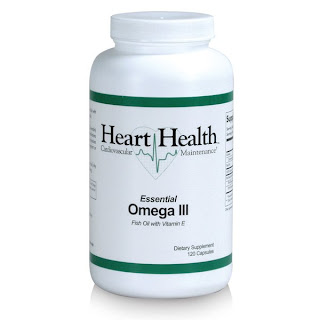
Learn More About Heart Health Omega III Fish Oil

 *****
Primary Benefits of nutraMetrix® Heart Health™ Essential Omega III Fish Oil *:
  • Helps maintain normal cholesterol levels
  • Helps maintain healthy blood pressure levels
  • Helps maintain normal blood flow
  • Helps maintain normal triglyceride levels in the blood
  • Promotes overall cardiovascular health
  • Helps maintain healthy levels of C-reactive protein
  • Promotes a healthy complexion
  • Helps enhance mood
  • Promotes healthy lubrication of the eye
  • Promotes normal tear production and volume
  • Helps promote healthy blood flow to the eye
  • May help to retain low-light visual acuity
  • Supports joint health
  • Supports relief from temporary inflammation associated with the normal aging process and daily activity
†According to the FDA, supportive, but not conclusive, research shows that consumption of EPA and DHA omega-3 fatty acids may reduce the risk of coronary heart disease.

Key Ingredients of nutraMetrix® Heart Health™ Essential Omega III Fish Oil with Vitamin E Unique:
Fish Body Oils 3000 mg [EPA 900 mg and DHA 600 mg]Fish oils or marine oils, are lipids (fats) found in fish, particularly cold water fish like herring, kipper, mackerel, menhaden, pilchard, salmon, sardine and trout, and phytoplankton (the sources of fish oil in Heart Health™ Omega III Fish Oil are sardines and anchovies, tested by the manufacturer and an independant testing company to be virtually free of mercury lead, PCB and other heavy metals). Fish oils are rich sources of omega-3 long-chain polyunsaturated fatty acids. EPA (eicosapentaenoic acid) and DHA (docosahexanenoic acid) are the two most studied fish oils. DHA is a necessary component of the phospholipids in human cellular membranes, especially those found in the brain and retina. Clinical studies have shown omega-3 fatty acids to help maintain healthy triglyceride levels. A strong correlation has also been shown between fish oil consumption and the ability to maintain healthy levels of C-reactive protein. Fish oils are also important in the maintenance of normal blood flow, as they support normal fibrinogen levels (coagulation or blood clotting), which contributes to normal platelet activity.*
EPA and DHA have several mechanisms of action to help maintain normal triglyceride and cholesterol levels, help maintain normal blood flow and pressure, and support normal platelet activity. EPA and DHA help maintain normal triglyceride levels by promoting normal lipogenesis and supporting normal fatty acid oxidation in the liver. EPA and DHA promote the normal transcription of genes coding for lipogenesis enzymes and promote the normal transportation of the regulatory enzymes of fatty acid oxidation. Activating PPAR (peroxisome proliferator-activated receptor)- alpha, helps to support normal fatty acid oxidation. The promotion of normal lipogenesis is done through down-regulation of SREBP (sterol regulatory element binding protein) -1c messenger RNA.*
EPA is the precursor to series-3 prostaglandins (PG), the series-3 thrombaxanes (TX) and the series-5 leukotrienes (LT). More specifically, EPA is a precursor to eicosanoids (TXA3 and LTB5), which promote normal platelet activity and promote normal vasodilation. These effects demonstrate EPA’s potential ability to help maintain normal blood pressure and support normal blood clotting. Fish oils inhibit the arachidonic acid synthesis of thromboxane A2, which help to promote normal platelet activity and vasodilation. Fish oil may also contribute to the normal production of prostacyclin, a prostaglandin that promotes normal vasodilation and supports normal platelet activity.*
Omega-3 fatty acids compete metabolically with omega-6 fatty acids, found in higher amounts in typical western diets. Omega-6 fatty acids may inhibit the incorporation of omega-3 fatty acids into tissue lipids. Omega-3 fatty acids may inhibit the conversion of many omega-6 fatty acids into arachidonic acid. Consumption of omega-3 fatty acids DHA and EPA, a corresponding increase of these fatty acids appears to occur in cell membranes and circulatory lipids along with a simulataneous reduction in omega-6 fatty acids.*
Vitamin E (d-alpha tocopherol) 23 IUThe most valuable sources of dietary vitamin E include vegetable oils, margarine, nuts, seeds, avocados and wheat germ. Safflower oil contains large amounts of vitamin E (about two thirds of the RDA in ¼ cup), and there are trace amounts in corn oil and soybean oil. Vitamin E is actually a family of related compounds called tocopherols and tocotrienols. Vitamin E is available in a natural or synthetic form. In most cases, the natural and synthetic forms are identical except the natural form of vitamin E is better absorbed and retained in the body. The natural form of alpha-tocopherol is known as "d-alpha tocopherol." The synthetic "dl-" form is the most common form found in dietary supplements. For those individuals watching their dietary fat consumption, which is relatively common in the world of dieting, vitamin E intake is likely to be low, due to a reduced intake of foods with high fat content.

The main health benefit of supplemental vitamin E comes from its antioxidant activity. It supports a healthy cardiovascular system. Vitamin E is one of the most powerful fat-soluble antioxidants in the body. In turn, vitamin E protects cell membranes from free radicals. Vitamin E is commonly added to fish oil supplements to provide antioxidant protection of DHA and EPA.*

*****
Orlampa Enterprises, Inc. specializes in helping individuals, groups, & companies lose sickness and find wellness through the implementation of science based wellness programs.

Orlampa Enterprises also helps health care professionals implement holistic wellness programs into their existing practices with the goal to educate both the health care providers, their staffs, and the patients. The programs, which provide the health care professional with a substantial additional income stream in this ever changing medical marketplace, allow the patient to achieve true wellness instead of receiving a traditional treatment for symptoms.

Orlampa Enterprises is an internet based product broker specializing in personalized health and wellness related services. Orlampa Enterprises is primed to continue its growth by duplicating its successful business model of educating, training, and developing entrepreneurial leaders as business partners. As an Unfranchise™ business owner, Orlampa Enterprises, proudly utilizes highly researched products including nutraMetrix® nutritional supplements. 

 Orlampa Enterprises' motto is "Eat well, exercise, and supplement intelligently."

Contact Beth at bb@orlampa.com or 727.492.8212 for more information about nutraMetrix® partnership opportunities available.
 

Thursday, November 29, 2012

Scientists prove that vitamin D helps to combat breast cancer

Scientists prove that vitamin D helps to combat breast cancer 

 Courtesy of ScientistLive.com

Breast cancer is the most frequent type of cancer affecting women worldwide. Although the chances of recovery are around 90%, this only applies if the cancer is detected early. Surgery, chemotherapy, hair loss or even a mastectomy - women suffering from breast cancer have to contend with all of these possible consequences. There is therefore virtually no other illness which frightens women more.

Since breast-cancer rates increase every year, the diagnosis and treatment options are of particular interest to scientists. It has long been known that high vitamin D levels can reduce the risk of breast cancer. This has been demonstrated in numerous epidemiological and laboratory studies.

With their study involving 67,721 French women, scientists led by Pierre Engel have shown that a minimum vitamin D level is necessary in order to prevent breast cancer. However, this is particularly difficult to achieve at northern latitudes because exposure to sunlight is insufficient to produce enough vitamin D, especially in the winter months. Whether this link is strong enough to meet the Hill criteria had not hitherto been studied.

A group of scientists in the United States led by Sharif B. Mohr has now reviewed the available scientific data relating to breast cancer and vitamin D on the basis of the Hill criteria. After evaluating the findings, they found that the inverse correlation between vitamin D and breast cancer does indeed meet the Hill criteria. This means that there is now scientific proof that vitamin D reduces the risk of breast cancer.

"Modern lifestyles ensure that many women in the west spend too little time in the sun. Although even short UV exposure is enough for vitamin D production, many women in the west nevertheless suffer from a pronounced vitamin D deficiency. High vitamin D levels reduce the risk of breast cancer and also offer protection against many other diseases. In the Northern Hemisphere, the level of sunlight from September to May is often insufficient for the body to produce enough essential vitamin D. It might therefore be sensible to undergo moderate artificial UV exposure on a regular basis", explains Ad Brand of the Sunlight Research Forum (SRF).

*****

nutraMetrix Isotonix® Vitamin D with K2

"nutraMetrix Vitamin D with K2 may be the most cost effective supplement you can add to your regimen"


Key Ingredients Found in nutraMetrix Isotonix® Vitamin D with K2: 

Vitamin D3 (Cholecalciferol) 5000 IU
  Vitamin D is a fat-soluble vitamin that is found in some foods and endogenously produced when sunlight strikes the skin and activates vitamin D synthesis. Vitamin D promotes the efficient intestinal absorption of calcium, primarily in the duodenum and jejunum by supporting the synthesis of calcium-binding proteins to promote normal calcium absorption and retention. Vitamin D also promotes the normal formation of bone and normal bone growth and bone remodeling by osteoblasts and osteoclasts. Vitamin D deficiency can be caused by factors such as lack of exposure to sunlight, reduced skin synthesis of vitamin D, lower dietary intake, impaired intestinal absorption and reduced metabolism to active forms of vitamin D by the kidneys, all of which increase with aging. Deficiency has been linked to numerous health concerns, and insufficient levels of this vitamin are associated with weak bones and  muscle weakness. In addition to promoting strong bones, vitamin D also has other roles in health, including supporting the body’s normal modulation of neuromuscular function and immune function. Vitamin D has been shown to support immune-modulation, and it is thought that supplementation promotes immune health by promoting the body’s normal regulation of T-cell function. In reference to cellular health, vitamin D supports the modulation of many genes that are responsible for encoding proteins that regulate normal cell cycle activity. Vitamin D levels have been strongly correlated to healthy cells. Lastly, through its interaction with VDR (vitamin D receptor), vitamin D supports the healthy expression of the gene encoding renin, thus helping to maintain healthy blood pressure.* 

Vitamin K2 45 mcg

Vitamin K is a fat-soluble vitamin found in meat, eggs, dairy and natto. Although a fat-soluble vitamin, the body stores very little K2, and its stores are rapidly depleted without regular dietary intake. Natural vitamin K2, also known as menaquinone-7 (MK-7), is the most bioavailable form of K2 and has the longest half-life in the blood of any form of vitamin K. The Japanese soy food natto is particularly rich in menaquinone-7 (MK-7). Studies of natto consumption in Japan have linked menaquinone-7 to bone and cardiovascular health. The correlation of vitamin K to cardiovascular and bone health directly focuses on supporting proper calcium utilization, whereby adequate metabolism of calcium supports arterial and bone health. This is often referred to as the calcium paradox. The calcium paradox is explained simply as getting calcium in the right place (i.e., into the bone structures instead of the arterial vessel walls.) These events are dependent upon the synthesis of the vitamin K-dependent proteins osteocalcin and matrix Gla protein in a process called carboxylation. The carboxylation of these proteins is a post-translational step; that is, osteocalcin and matrix Gla protein are translated from their respective messenger RNA and then modified by enzymes to the active forms. These carboxylated forms support the healthy binding and releasing of calcium. This reaction is essential for optimal and healthy utilization of calcium. Vitamin K2 promotes the synthesis of proteins involved with calcium utilization, thereby supporting bone retention and arterial health. While Vitamin D supports the healthy regulation and synthesis of osteocalcin, the mineral-binding capacity of this protein requires vitamin K-dependent carboxylation and is thought to be related to bone mineralization. Gas6 is a vitamin K-dependent protein found throughout the nervous system, as well in the heart, lungs, stomach, kidneys and cartilage. Although the exact mechanism of its action has not been determined, Gas6 appears to be a cellular growth regulator involved in cellular activities such as cell adhesion, cell proliferation and protection against apoptosis.
 
*****
 
 
Orlampa Enterprises, Inc. specializes in helping individuals lose sickness and find wellness.  
Orlampa Enterprises also helps health care professionals implement holistic wellness programs into their existing practice with the goal to educate both the health care provider and the patient. The programs, which provide the health care professional with a substantial additional income stream in this ever changing medical marketplace, allow the patient to achieve true wellness instead of receiving a traditional treatment for symptoms.

Orlampa Enterprises is an internet based product broker specializing in personalized health and wellness related services. Orlampa Enterprises is primed to continue its growth by duplicating its successful business model of educating, training, and developing entrepreneurial leaders as business partners. As an Unfranchise™ business owner, Orlampa Enterprises, proudly utilizes highly researched products including nutraMetrix® nutritional supplements. 

 Orlampa Enterprises' motto is "Eat well, exercise, and supplement intelligently."

Contact Beth at bb@orlampa.com or 727.492.8212 for more information about nutraMetrix® partnership opportunities available.
 

Wednesday, October 24, 2012

Vitamin D Deficiency and Breast Cancer - Be Informed

October is Breast Cancer Awareness Month.  In honor of this, Orlampa Enterprises is offering a special on Isotonix® Vitamin D with K2 (the offer is at the end of this article but you'll be missing a lot of great information if you just skip to the offer).
 
 To order, click here or call Beth at 727.492.8212


You might ask yourself why would we connect breast cancer awareness and a vitamin D supplement.  The answer is in the research.  Below are just a few of the thousands of research documents showing a connection between Vitamin D deficiency and breast cancer.  Do yourself and/or your loved ones a HUGE favor. Take 10 minutes out of your busy day to read and digest the information from the links below. Below these links, you will learn about our special offer good through the end of October!

Breast cancer links to vitamin D exposure

Leading the study, senior clinical dietician Kellie Bilinkski, said: "While sunlight is a freely available source of vitamin D, it's not without its disadvantages. It can be difficult to get enough sunlight in the southern states in winter, so supplements may be an alternative source of vitamin D for individuals.

Breast cancer Patient friendly summary

Breast cancer was one of the first cancers identified as having protection from vitamin D. Now there is ample evidence that vitamin D lowers breast cancer risk.


Prevent Breast Cancer With Vitamin D

In addition to protecting the bones and boosting the immune system, studies show that Vitamin D helps prevent certain cancers, including breast, ovarian, prostate and colorectal. [footnote 2, 3, 4, 5] Exciting new research shows that, in the United States alone, thousands of new cases of breast cancer could be prevented every year if more women had optimal levels of vitamin D.

In Tests, Vitamin D Shrinks Breast Cancer Cells

Doctors have known that low levels of vitamin D are linked to certain kinds of cancers as well as to diabetes and asthma, but new research also shows that the vitamin can kill human cancer cells.
 Why Everyone Should Take Vitamin D

There is now growing evidence that Vitamin D, taken in amounts beyond those needed to prevent rickets, might prevent some forms of cancer, auto-immune disease, and diabetes. While this is not yet proven, the chance it might be true is growing. The risk of taking as much as 400 Units a day appears slight.Therefore, Advanced Pediatrics supports the recommendation of the American Academy of Pediatrics statement published November, 2008.

I could go on and on but I think that would be overkill.  You might be saying to yourself that it makes sense for someone to take a Vitamin D supplement but why Isotonix? What is the difference?  

First of all, not all supplements are created equal.  Isotonix Vitamin D with K2 contains vitamin D3, the metabolically active form of vitamin D, along with vitamin K2, a form of vitamin K which supports vascular health and calcium utilization. Vitamin D plays an important role in bone health, heart health and immune support, while working with vitamin K to support normal absorption of calcium and promote healthy arteries. Isotonix Vitamin D is the first of its kind to deliver both of these powerful vitamins with isotonic delivery.*

Vitamin K is included in Isotonix Vitamin D with K2 because of its unique partnership with vitamin D. Vitamins K and D work together to support calcium absorption and utilization. Vitamin K supports the normal delivery of calcium to the bones and promotes healthy arteries.
At least two naturally-occurring forms of vitamin K have been identified and are known as K1 and K2. While there are many similarities between these two forms of vitamin K, they are distinguished by their important differences. The most significant difference between K1 and K2 is their chemical structure which results in different pharmacokinetic properties. Vitamin K1 is retained primarily in the liver where, at high doses, it may interfere with the action of warfarin and other anticoagulant medications.  

Vitamin K2 has a different mechanism of action. It is transported primarily to bones and blood vessels. Vitamin K2 helps to maintain bone mass, support calcium utilization and promote elasticity of blood vessels.   

Some studies have concluded that vitamin K2 does not interfere with anticoagulant medications.* However, most products containing vitamin K (including K1 and/or K2) warn users taking anticoagulants not to take the product. If you are currently taking warfarin or another anticoagulant medication, you should consult your physician before taking any product containing vitamin K1 or K2.

*Isotonix dietary supplements are delivered in an isotonic solution. This means that the body has less work to do to obtain maximum absorption of the nutrients. The isotonic state of the suspension allows nutrients to pass directly into the small intestine and rapidly absorb into the bloodstream. With Isotonix products, little nutritive value is lost, making the absorption of nutrients highly efficient while delivering maximum results.

From the time Isotonix Vitamin D with K2 was introduced, I've been writing that it may be the most cost effective supplement one could add to his or her regimen. Based on the links above, I'm sure you'll agree that Vitamin D deficiency MAY BE at the root of MANY health challenges.  Don't you think this product is worth about $1/day?  Aren't YOU worth $1 per day?  Isotonix Vitamin D with K2 is what I call "life assurance" and to me, the benefits are worth the investment.    

So here is the special - good through 
October 31, 2012!!!! 
With EVERY order that includes Isotonix Vitamin D with K2, we will enclose a free travel size  

You can order online or by phone at 727.492.8212 (and mention this blog) 

****
 Orlampa Enterprises, Inc. specializes in helping individuals lose sickness and find wellness.  
Orlampa Enterprises also helps health care professionals implement holistic wellness programs into their existing practice with the goal to educate both the health care provider and the patient. The programs, which provide the health care professional with a substantial additional income stream in this ever changing medical marketplace, allow the patient to achieve true wellness instead of receiving a traditional treatment for symptoms.

Orlampa Enterprises is an internet based product broker specializing in personalized health and wellness related services. Orlampa Enterprises is primed to continue its growth by duplicating its successful business model of educating, training, and developing entrepreneurial leaders as business partners. As an Unfranchise™ business owner, Orlampa Enterprises, proudly utilizes highly researched products including nutraMetrix® nutritional supplements. 

 Orlampa Enterprises' motto is "Eat well, exercise, and supplement intelligently."

Contact Beth at bb@orlampa.com or 727.492.8212 for more information about nutraMetrix® partnership opportunities available.


Tuesday, October 23, 2012

Research: Curcumin Is A Triple Negative Breast Cancer Killer

Research: Curcumin Is A Triple Negative Breast Cancer Killer

A new study from Zheijian Provincial People's Hospital in Zheijiang, China indicates that a compound in turmeric known as curcumin, which gives the spice its characteristic saffron-like color, is capable of inducing programmed cell death (apoptosis) within triple negative breast cancer cells.1

Triple negative breast cancer (TNBC), so named because the cells do not have the characteristic receptors for estrogen, progesterone and Her2/neu, is considered the most treatment resistant, primarily because these 'missing receptors' are required for many of the most popular conventional treatments to work, e.g. Tamoxifen targets estrogen receptors. For this reason, TNBC is considered the most aggressive, the most likely to be treated with less-targeted (and therefore more toxic) forms of chemotherapy, and the soonest to return when treatment fails.

Approximately 15-25% of all breast cancer cases are triple negative. Unfortunately, however, the most visible non-profit foundation dedicated to bringing awareness to the condition, the Triple Negative Breast Cancer Foundation, is focused almost exclusively on raising awareness and money for a future pharmaceutical "cure"  – much in the same way as its partner, Susan G. Komen, and the larger breast cancer awareness organization, Breast Cancer Awareness Month, act as if removing and addressing the obvious causes of cancer, e.g. carcinogenic chemical and radiation exposures, were not the first priority.  For those suffering through or recovering from treatment right now, or trying to decide what to do with a new diagnosis, this latest Chinese study is promising.

Detractors, of course, point out that this latest curcumin research occurred on the level of a cell study, which in the pyramidal power structure of "evidence-based medicine," where the randomized, double-blind and placebo-controlled human clinical study is the sole determinant of the ultimate truth, is the most insignificant, and least compelling as far informing treatment decisions. This view, however, is rather naive, insofar the criteria for determining a substance's potential for future use as an FDA drug is not its effectiveness, safety or availability to those in need, rather, how proprietary and profitable the formula is to manufacture, distribute and market to consumers. The "gold standard" of evidence-based medicine therefore becomes literally: "those who own the gold make the standard."

This is not the first study to reveal curcumin's potential value in treating breast cancer. A growing body of experimental evidence  clearly shows that curcumin provides a potential drug alternative.  GreenMedInfo.com has indexed over 60 in vitro and animal studies demonstrating either curcumin's direct anti-breast cancer activity, or, its ability to enhance breast cancer's sensitivity to conventional chemotherapy.  Also, the open access project has indexed over 1500 abstracts from the National Library of Medicine on its potential value in over 500 health conditions: Turmeric Breast Cancer.


Resources

  • 1 Xiao-Dong Sun, Xing-E Liu, Dong-Sheng Huang. Curcumin induces apoptosis of triple-negative breast cancer cells by inhibition of EGFR expression. Mol Med Report. 2012 Sep 26. Epub 2012 Sep 26. PMID: 23023821
 *****
Primary Benefits Of nutraMetrix® Curcumin Extreme™*:

·         Promotes normal activity of NF-KappaB
·         Supports normal liver detoxification activity
·         Supports overall liver health
·         Promotes apoptosis in unhealthy cells
·         Promotes normal cell cycle activity
·         Helps maintain overall cell integrity
·         Promotes normal cellular regeneration
·         Helps maintain healthy glutathione levels
·         Supports normal glutathione synthesis
·         Promotes the normal production of detoxification enzymes
·         Supports the body’s natural ability to produce detoxification enzymes
·         Promotes normal levels of detoxification enzymes that scavenge harmful toxins in the body
·         Helps to maintain neurological health as we age
·         Helps to maintain good cognitive health as we age
·         Promotes normal immune cell—brain (neuron) interactions in order to maintain cognitive health
·         Promotes neurological health
·         Protects neurons from the negative effects of free radicals
·         Powerful antioxidant
·         Protects the body from the negative effects of free radicals
·         Promotes free radical protection
·         Promotes a strong immune system


Key Ingredients Found In nutraMetrix® Curcumin Extreme™:

Scientists have long been aware of the wide array of health benefits from the Indian spice turmeric, which is a source of the active phytochemical curcumin.  Until now, curcumin has been known to have poor bioavailability, requiring high doses to promote health. BCM-95® delivers significantly more pharmacologically bioactive curcumin into the blood than other curcumin sources. This new delivery system allows for a variety of health benefits.

How is this possible? Traditional 95 percent extract focuses strictly on one part of the Turmeric rhizome. This bioactive substance of Turmeric (Curcuma Longa) contains “Curcuminoids” and Curcumin is the most important molecule. Research has shown its tremendous health benefit. Even though Curcumin is the most important molecule, the bioavailability of the regular Turmeric 95 percent extracts sold on the market is not very good in terms of uptake or sustainability in the blood stream. There are other essential components present in Turmeric Rhizome which have been neglected during the traditional method of manufacturing of Turmeric 95 Percent Extract. BCM-95® represents the natural spectrum of turmeric rhizome. It is 100 percent natural and has been proven to provide optimal bioavailability for synergistic effect. This new method of manufacture offers tremendous value in terms of bioavailability.

Antioxidants have received increased attention, and it’s important to know what nutrients are antioxidants, and information about them. One such nutrient is curcumin. Curcumin is a natural extract from the spice turmeric. Turmeric is derived from the plant Curcuma Longa, a member of the ginger family.

Curcumin is employed mostly as an antioxidant; though it was traditionally used to promote stomach and joint comfort. The immune-balancing activity of curcumin has been demonstrated through multiple mechanisms to support normal COX-2 and NF-KappaB levels in the body.  

The neuroprotective properties of curcumin are among the most studied. Curcumin has been designated as a ‘strong candidate’ for the promotion of neurological health and cognitive function. Curcumin can cross the blood-brain barrier and support the normal uptake of amyloid-beta in the brain. This supports the brain's memory and learning abilities as we age. Another neuroprotective property of curcumin is its ability to promote normal levels of glutathione, superoxide dismutase and catalase in the brain. This can help to maintain the health of neurological tissues. 

Curcumin supports the normal production of Phase II liver detoxification enzymes, including glutathione synthase, heme-oxygenase and catalase. The liver plays several roles in detoxification: it filters the blood to remove large toxins, synthesizes and secretes bile full of cholesterol and other fat-soluble toxins, and enzymatically disassembles unwanted chemicals. This enzymatic process usually occurs in two steps referred to as phase I and phase II. They promote the body’s natural enzyme antioxidant defense systems and function as a powerful indirect antioxidant. These enzymes promote the body’s normal metabolism of harmful chemicals such as heavy metals, toxins and pollutants into less reactive molecules. Curcumin has also been shown to promote normal hepatic tissue repair.

Broccoli Seed Extract (6% Sulphoraphane Glucosinolates): 167 mg
The health benefits and protective properties of broccoli and other cruciferous vegetables have been well documented over the past 25 years. Broccoli seed extract is a potent source of sulphoraphane glucosinolates. Sulforaphanes support the normal production of Phase II liver detoxification enzymes, including glutathione synthase, heme-oxygenase and catalase. Sulphoraphanes promote the body’s natural enzyme antioxidant defense systems and function as a powerful indirect antioxidant. Sulphoraphanes work to support gene transcription, which is the process by which genetic information is copied from DNA to RNA, resulting in a specific protein formation. Conclusively, sulphoraphanes work to support the body’s natural defense systems and to maintain elevated levels of glutathione. Glutathione is the master antioxidant of the body. It is an important chemical that acts as a powerful antioxidant to preserve and protect the brain and other body tissues by protecting them from the damage of free radicals. It also acts to recycle vitamin C & E which also reduce free radicals. Since glutathione cannot be absorbed intact orally due to gastrointestinal degradation, sulphoraphane supplementation may be the most effective way to increase endogenous glutathione concentration.

Selenium (Selenomethionine): 100 mcg 
Selenium is a required cofactor for selenoproteins such as glutathione peroxidase.  Selenomethionine is incorporated directly into proteins because selenomethionine cannot be distinguished from methionine during the translation of mRNA into protein. This serves as a storage form of selenium and is liberated upon protein catabolism. Selenium accumulates in the prostate, promoting the health of the prostate. Selenium supports immune function by promoting normal growth and development of T helper cells. 


What Makes nutraMetrix® Curcumin Extreme™ Unique?

There are many curcumin products on the market, but nutraMetrix Curcumin Extreme with BCM-95® has superior bioavailability and absorption. Curcumin Extreme promotes liver detoxification, promotes healthy glutathione levels and normal cellular regeneration. Taking Curcumin Extreme every day may help detoxify impurities in your body that can build up over time.*


Frequently Asked Questions About nutraMetrix® Curcumin Extreme™:

What is Curcumin?
Curcumin is present in the spice turmeric, frequently used in Indian food. Its chemical makeup is responsible for the yellow coloring of turmeric and is often used specifically to give color to foods. However, it may serve a more important purpose to humans.

Are any side effects associated with nutraMetrix Curcumin Extreme?
Side effects are uncommon and are generally limited to mild stomach distress.

What are the potential advantages of taking curcumin?
Curcumin supports liver detoxification activity, promotes normal cellular regeneration and helps maintain healthy glutathione levels. It also supports the body’s natural ability to produce detoxification enzymes and has been shown to be a powerful antioxidant. It promotes neurological health and helps to maintain neurological health as we age. It can also promote free radical protection and a strong immune system.*
         
Are there any warnings associated with taking nutraMetrix Curcumin Extreme?
If you are currently taking warfarin (Coumadin) or other anti-platelet/anti-coagulate, you should not take this product. If you are taking any other prescription drugs or have an ongoing medical condition, you should consult your physician before using this product. Women who are pregnant or nursing should not take this product. 

Who should take nutraMetrix Curcumin Extreme?
Anyone 18 or over can take Curcumin Extreme, especially those who want to support their normal liver detoxification activity, help maintain their healthy glutathione levels, promote their neurological health and those who want to promote a strong immune system.

What other Market America products work well with nutraMetrix Curcumin Extreme?
nutraMetrix Curcumin Extreme can be taken in conjunction with Glucosatrin® to support normal COX-2 levels and promote joint comfort. It can also be taken with Cognitin™ to promote normal immune cell—brain (neuron) interactions in order to maintain cognitive health and also to promote neurological health.

Can I take OPC-3 with nutraMetrix Curcumin Extreme?
Yes, as long as the directions for use are followed for each product.
 
I am considering purchasing nutraMetrix Curcumin Extreme because of some of the positive effects that I have read about. Should I refrain from taking my medications while taking curcumin or can I take both?
If you are taking any prescription drugs or have an ongoing medical condition, you should consult your physician before using this product. Your physician can properly advise you about the best course of action regarding your prescription medications. 

What is the recommended daily serving for nutraMetrix Curcumin Extreme?
Take 1 capsule per day with or without a meal.

Are there any allergens associated with nutraMetrix Curcumin Extreme?
Curcumin does not contain any of the allergens required to be identified on the label by the FDA.  

Are there any human clinical trials done with nutraMetrix Curcumin Extreme?
There have been clinical trials performed with curcumin in patients with different diseases. These are mostly pilot studies that are “proof of concept” type. More than 10 trials are now in progress in the United States and other countries.

What is the purpose of the Broccoli Seed Extract contained in this product?
It promotes the liver detoxification activity and it works to support the body’s natural defense systems and to sustain elevated levels of glutathione.

Can men and women take this product?
Yes. However, women who are pregnant or nursing should not take this product.

Does nutraMetrix Curcumin Extreme contain any allergens?
No, the product is free from any allergens such as soy, wheat, gluten or dairy. 

When should I start to see/feel the effects of this product?  What should I expect?
The antioxidant benefits of Curcumin should be noticeable in about four to six weeks. Please remember that everyone’s body is different, so for some it may take longer to notice the benefits of Curcumin. You should expect to feel better and healthier overall.*


* These statements have not been evaluated by the Food and Drug Administration.
This product(s) is not intended to diagnose, treat, cure or prevent any disease.


Scientific Studies Which Support nutraMetrix® Curcumin Extreme™:

·         Araujo, C. and Leon, L. Biological activities of Curcuma longa L. Memorias do Instituto Oswaldo Cruz. 96(5): 723-728, 2001.
·         Biswas, S., et al. Curcumin induces glutathione biosynthesis and inhibits NF-kappaB activation and interleukin-8 release in alveolar epithelial cells: mechanism of free radical scavenging activity. Antioxidants and Redox Signaling. 7(1-2): 32-41, 2005.
·         Funk, J., et al. Turmeric extracts containing curcuminoids prevent experimental rheumatoid arthritis. Journal of Natural Products. 69(3): 351-355, 2006.
·         Jagetia, G. and Aggarwal, B. "Spicing up" of the immune system by curcumin. Journal of Clinical Immunology. 27(1): 19-35, 2007.
·         Juge, N., et al. Molecular basis for chemoprevention by sulforaphane: a comprehensive review. Cellular and Molecular Life Sciences. 64(9): 1105-1127, 2007.
·         Kim, G., et al. Curcumin inhibits immunostimulatory function of dendritic cells: MAPKs and translocation of NF-kappa B as potential targets. Journal of Immunology. 174(12): 8116-8124, 2005.
·         Lim, G., et al. The curry spice curcumin reduces oxidative damage and amyloid pathology in an Alzheimer transgenic mouse. Journal of Neuroscience. 21(21): 8370-8377, 2001.
·         Lin, J. Molecular targets of curcumin. Advances in Experimental Medicine and Biology. 595: 227-243, 2007.
·         Maheshwari, R., et al. Multiple biological activities of curcumin: a short review. Life Sciences. 78(18): 2081-2087, 2006.
·         Nanji, A., et al. Curcumin prevents alcohol-induced liver disease in rats by inhibiting the expression of NF-kappa B-dependent genes. American Journal of Physiology. 284(2): G321-G327, 2003.
·         Salvioli, S., et al. Curcumin in cell death processes: A challenge for CAM of age-related pathologies. Evidence-based Complementary and Alternative Medicine. 4(2): 181-190, 2007.
·         Shishodia, S., et al. Curcumin: getting back to the roots. Annals of the New York Academy of Sciences. 1056: 206-217, 2005.
·         Thangapazham, R., et al. Multiple molecular targets in cancer chemoprevention by curcumin. AAPS Journal. 8(3): E443-E449, 2006.
·         Yadav, V., et al. Immunomodulatory effects of curcumin. Immunopharmacology and Immunotoxicology. 27(3): 485-497, 2005.
·         Cheng, Y., et al. Effects of curcumin on peroxisome proliferator-activated receptor gamma expression and nuclear translocation/redistribution in culture-activated rat hepatic stellate cells. Chinese Medical Journal. 120(9): 794-801, 2007.
·         Farombi, E., et al. Curcumin attenuates dimethylnitrosamine-induced liver injury in rats through Nrf2-mediated induction of heme oxygenase-1. Food and Chemical Toxicology. 46(4): 1279-1287, 2008.
·         Kaur, G., et al. Inhibition of oxidative stress and cytokine activity by curcumin in amelioration of endotoxin-induced experimental hepatoxicity in rodents. Clinical and Experimental Immunology. 145(2): 313-321, 2006.
·         Mathuria, N. and Verma, R. Ameliorative effect of curcumin on aflatoxin-induced toxicity in DNA, RNA and protein in liver and kidney of mice. Acta Poloniae Pharmaceutica. 64(6): 497-502, 2007.
·         Naik, R., et al. Protection of liver cells from ethanol cytotoxicity by curcumin in liver slice culture in vitro. Journal of Ethnopharmacology. 95(1): 31-37, 2004.
·         O’Connell, M. and Rushworth, S. Curcumin: potential for hepatic fibrosis therapy? British Journal of Pharmacology. 153(3): 403-405, 2007.
·         Osawa, T. Nephroprotective and hepatoprotective effects of curcuminoids. Advances in Experimental Medicine and Biology. 595: 407-423, 2007.
·         Pari, L. and Amali, D. Protective role of tetrahydrocurcumin (THC) an active principle of turmeric on chloroquine induced hepatotoxicity in rats. Journal of Pharmacy and Pharmaceutical Sciences. 8(1): 115-123, 2005.
·         Shen, G., et al. Modulation of nuclear factor E2-related factor 2-mediated gene expression in mice liver and small intestine by cancer chemopreventive agent curcumin. Molecular and Cancer Therapeutics. 5(1): 39-51, 2006.
·         Shen, S., et al. Protective effect of curcumin against liver warm ischemia/reperfusion injury in rat model is associated with regulation of heat shock protein and antioxidant enzymes. World Journal of Gastroenterology. 13(13): 1953-1961, 2007.
·         Shu, J., et al. The study of therapeutic effects of curcumin on hepatic fibrosis and variation of correlated cytokine. Journal of Chinese Medicinal Materials. 30(11): 1421-1425, 2007.
·         Shu, J., et al. Therapeutic effects of curcumin treatment on hepatic fibrosis. Chinese Journal of Hepatology. 15(10): 753-757, 2007.
·         Wei, Q., et al. Inhibition of lipid peroxidation and protein oxidation in rat liver mitochondria by curcumin and its analogues. Biochimica et Biophysica Acta. 1760(1): 70-77, 2006.
·         Zheng, S. and Chen, A. Disruption of transforming growth factor-beta signaling by curcumin induces gene expression of peroxisome proliferator-activated receptor-gamma in rat hepatic stellate cells. American Journal of Physiology. 292(1): G113-G123, 2007.
·         Zheng, S. and Chen, A. Curcumin suppresses the expression of extracellular matrix genes in activated hepatic stellate cells by inhibiting gene expression of connective tissue growth factor. American Journal of Physiology. 290(5): G883-G893, 2006.
·         Bhattacharyya, S., et al. Curcumin prevents tumor-induced T cell apoptosis through Stat-5a-mediated Bcl-2 induction. Journal of Biological Chemistry. 282(22): 15954-15964.
·         Cornblatt, B., et al. Preclinical and clinical evaluation of sulforaphane for chemoprevention in the breast. 28(7): 1485-1490, 2007.
·         Fahey, J., et al. Sulforaphane inhibits extracellular, intracellular, and antibiotic-resistant strains of Helicobacter pylori and prevents benzo[a]pyrene-induced stomach tumors. Proceedings of the National Academy of Sciences of the United States of America. 99(11): 7610-7615, 2002.
·         Higdon, J., et al. Cruciferous vegetables and human cancer risk: epidemiologic evidence and mechanistic basis. Pharmacological Research. 55(3): 224-236, 2007.
·         Howells, L., et al. Comparison of oxaliplatin- and curcumin-mediated antiproliferative effects in colorectal cell lines. International Journal of Cancer. 121(1): 175-183, 2007.
·         Johnson, J., et al. Curcumin for chemoprevention of colon cancer. Cancer Letters. 255(2): 170-181, 2007.
·         Magalska, A., et al. Curcumin induces cell death without oligonucleosomal DNA fragmentation in quiescent and proliferating human CD8+ cells. Acta Biochimica Polonica. 53(3): 531-538, 2006.
·         Maheshwari, R., et al. Multiple biological activities of curcumin: a short review. Life Sciences. 78(18): 2081-2087, 2006.
·         Myzak, M. and Dashwood, R. Chemoprotection by sulforaphane: keep one eye beyond Keap1. Cancer Letters. 233(2): 208-218, 2006.
·         Myzak, M., et al. Sulforaphane inhibits histone deacetylase in vivo and suppresses tumorigenesis in Apc-minus mice. FASEB. 20(3): 506-508, 2006.
·         Pal, S., et al. Amelioration of immune cell number depletion and potentiation of depressed detoxification system of tumor-bearing mice by curcumin. Cancer Detection and Prevention. 29(5): 470-478, 2005.
·         Perkins, S., et al. Chemopreventive efficacy and pharmacokinetics of curcumin in the min/+ mouse, a model of familial adenomatous polyposis. Cancer Epidemiology, Biomarkers, and Prevention. 11(6): 535-540, 2002.
·         Smith, T., et al. Allyl-isothiocyanate causes mitotic block, loss of cell adhesion and disrupted cytoskeletal structure in HT29 cells. Carcinogenesis. 25(8): 1409-1415, 2004.
·         Tang, L., et al. Potent activation of mitochondria-mediated apoptosis and arrest in S and M phases of cancer cells by a broccoli sprout extract. Molecular Cancer Therapeutics. 5(4): 935-944, 2006.
·         Thejass, P. and Kuttan, G. Antimetastatic activity of Sulforaphane. Life Sciences. 78(26): 3043-3050, 2006.
·         Dairam, A., et al. Curcuminoids, curcumin, and demethoxycurcumin reduce lead-induced memory deficits in male Wistar rats. Journal of Agricultural and Food Chemistry. 55(3): 1039-1044, 2007.
·         Dickinson, D., et al. Curcumin alters EpRE and AP-1 binding complexes and elevates glutamate-cysteine ligase gene expression. FASEB. 17(3): 473-475, 2003.
·         Gao, X. and Talalay, P. Induction of phase 2 genes by sulforaphane protects retinal pigment epithelial cells against photooxidative damage. Proceedings of the National Academy of Sciences of the United States of America. 101(28): 10446-10451, 2004.
·         Monograph. Curcuma longa (turmeric). Alternative Medicine Review. 6(suppl): S62-S66, 2001.
·         Morimitsu, Y., et al. A sulforaphane analogue that potently activates the Nrf2-dependent detoxification pathway. Journal of Biological Chemistry. 277(5): 3456-3463, 2002.
·         Myzak, M. and Dashwood, R. Chemoprotection by sulforaphane: keep one eye beyond Keap1. Cancer Letters. 233(2): 208-218, 2006.
·         Nishinaka, T., et al. Curcumin activates human glutathione S-transferase P1 expression through antioxidant response element. Toxicology Letters. 170(3): 238-247, 2007.
·         Rushworth, S., et al. Role of protein kinase C delta in curcumin-induced antioxidant response element-mediated gene expression in human monocytes. Biochemical and Biophysical Research Communications. 341(4): 1007-1016, 2006.
·         Scapagnini, G., et al. Curcumin activates defensive genes and protects neurons against oxidative stress. Antioxidants and Redox Signaling. 8(3-4): 395-403, 2006.
·         Shukla, P., et al. Protective effect of curcumin against lead neurotoxicity in rat. Human and Experimental Toxicology. 22(12): 653-658, 2003.
·         Wakabayashi, N., et al. Protection against electrophile and oxidant stress by induction of the phase 2 response: fate of cysteines of the Keap1 sensor modified by inducers. Proceedings of the National Academy of Sciences of the United States of America. 101(7): 2040-2045, 2004.
·         Ye, S., et al. Effect of curcumin on the induction of glutathione S-transferases and NADP(H):quinone oxidoreductase and its possible mechanism of action. Acta Pharmaceutica Sinica. 42(4): 376-380, 2007.
·         Zheng, S., et al. De novo synthesis of glutathione is a prerequisite for curcumin to inhibit hepatic stellate cell (HSC) activation. Free Radical Biology and Medicine. 43(3): 444-453, 2007.
·         Dairam, A., et al. Curcuminoids, curcumin, and demethoxycurcumin reduce lead-induced memory deficits in male Wistar rats. Journal of Agricultural and Food Chemistry. 55(3): 1039-1044, 2007.
·         Garcia-Alloza, M., et al. Curcumin labels amyloid pathology in vivo, disrupts existing plaques, and partially restores distorted neurites in an Alzheimer mouse model. Journal of Neurochemistry. 102(4): 1095-1104, 2007.
·         Ng, T., et al. Curry consumption and cognitive function in the elderly. American Journal of Epidemiology. 164(9): 898-906, 2006.
·         Noyan-Ashraf, M., et al. Dietary approach to decrease aging-related CNS inflammation. Nutritional Neuroscience. 8(2): 101-110, 2005.
·         Wu, A., et al. Dietary curcumin counteracts the outcome of traumatic brain injury on oxidative stress, synaptic plasticity, and cognition. 197(2): 309-317, 2006.
·         Xu, Y., et al. Curcumin reverses the effects of chronic stress on behavior, the HPA axis, BDNF expression and phosphorylation of CREB. Brain Research. 1122(1): 56-64, 2006.
·         Yang, F., et al. Curcumin inhibits formation of amyloid beta oligomers and fibrils, binds plaques, and reduces amyloid in vivo. Journal of Biological Chemistry. 280(7): 5892-5901, 2005.
·         Zhang, L., et al. Curcuminoids enhance amyloid-beta uptake by macrophages of Alzheimer's disease patients. Journal of Alzheimer’s Disease. 10(1): 1-7, 2006.
·         Dairam, A., et al. Curcuminoids, curcumin, and demethoxycurcumin reduce lead-induced memory deficits in male Wistar rats. Journal of Agricultural and Food Chemistry. 55(3): 1039-1044, 2007.
·         Maheshwari, R., et al. Multiple biological activities of curcumin: a short review. Life Sciences. 78(18): 2081-2087, 2006.
·         Monograph. Curcuma longa (turmeric). Alternative Medicine Review. 6(suppl): S62-S66, 2001.
·         Shukla, P., et al. Protective effect of curcumin against lead neurotoxicity in rat. Human and Experimental Toxicology. 22(12): 653-658, 2003.
·         Wu, A., et al. Dietary curcumin counteracts the outcome of traumatic brain injury on oxidative stress, synaptic plasticity, and cognition. 197(2): 309-317, 2006.
·         Bhattacharyya, S., et al. Curcumin prevents tumor-induced T cell apoptosis through Stat-5a-mediated Bcl-2 induction. Journal of Biological Chemistry. 282(22): 15954-15964.
·         Churchill, M., et al. Inhibition of intestinal tumors by curcumin is associated with changes in the intestinal immune cell profile. Journal of Surgical Research. 89(2): 169-175, 2000.
·         Gao, X. and Talalay, P. Induction of phase 2 genes by sulforaphane protects retinal pigment epithelial cells against photooxidative damage. Proceedings of the National Academy of Sciences of the United States of America. 101(28): 10446-10451, 2004.
·         Kurup, V., et al. Immune response modulation by curcumin in a latex allergy model. Clinical and Molecular Allergy. 5: 1, 2007.
·         Magalska, A., et al. Curcumin induces cell death without oligonucleosomal DNA fragmentation in quiescent and proliferating human CD8+ cells. Acta Biochimica Polonica. 53(3): 531-538, 2006.
·         Pal, S., et al. Amelioration of immune cell number depletion and potentiation of depressed detoxification system of tumor-bearing mice by curcumin. Cancer Detection and Prevention. 29(5): 470-478, 2005.
·         Rushworth, S., et al. Role of protein kinase C delta in curcumin-induced antioxidant response element-mediated gene expression in human monocytes. Biochemical and Biophysical Research Communications. 341(4): 1007-1016, 2006.
·         Srinivasan, M., et al. Protective effect of curcumin on gamma-radiation induced DNA damage and lipid peroxidation in cultured human lymphocytes. Mutation Research. 611(1-2): 96-103, 2006.
·         Thejass, P. and Kuttan, G. Immunomodulatory activity of Sulforaphane, a naturally occurring isothiocyanate from broccoli (Brassica oleracea). Phytomedicine. 14(7-8): 538-545, 2007.
·         Thejass, P. and Kuttan, G. Augmentation of natural killer cell and antibody-dependent cellular cytotoxicity in BALB/c mice by sulforaphane, a naturally occurring isothiocyanate from broccoli through enhanced production of cytokines IL-2 and IFN-gamma. Immunopharmacology and Immunotoxicology. 28(3): 443-457, 2006.


Orlampa Enterprises, Inc. specializes in helping individuals lose sickness and find wellness.  
Orlampa Enterprises also helps health care professionals implement holistic wellness programs into their existing practice with the goal to educate both the health care provider and the patient. The programs, which provide the health care professional with a substantial additional income stream in this ever changing medical marketplace, allow the patient to achieve true wellness instead of receiving a traditional treatment for symptoms.

Orlampa Enterprises is an internet based product broker specializing in personalized health and wellness related services. Orlampa Enterprises is primed to continue its growth by duplicating its successful business model of educating, training, and developing entrepreneurial leaders as business partners. As an Unfranchise™ business owner, Orlampa Enterprises, proudly utilizes highly researched products including nutraMetrix® nutritional supplements. 

 Orlampa Enterprises' motto is "Eat well, exercise, and supplement intelligently."

Contact Beth at bb@orlampa.com or 727.492.8212 for more information about nutraMetrix® partnership opportunities available.