Beth and Phillip Black, wellness experts and owners of Orlampa Enterprises, Inc. paid a visit to "A Path To Wellness," Dr. Chris Jackson's weekly radio program. The Blacks and Dr. Jackson talk about the power of Eating well, exercising, and supplementing intelligently with nutraMetrix nutraceuticals.
https://www.youtube.com/watch?v=Lnadil4JB6w&t=138s
Showing posts with label vitamin d with k2. Show all posts
Showing posts with label vitamin d with k2. Show all posts
Thursday, April 13, 2017

Thursday, January 23, 2014
Vitamin D Can Effectively Treat Fibromyalgia
Vitamin D Can Effectively Treat Fibromyalgia
Reviewed by John M. Grohol, Psy.D. on January 20, 2014
New research suggests vitamin D supplements can reduce pain and may be a cost-effective alternative, or an adjunct to other treatment, for individuals with fibromyalgia syndrome (FMS).
The supplementation is helpful for fibromyalgia patients suffering from low vitamin D levels, say researchers in the journal PAIN®.
In addition to pain and fatigue, individuals diagnosed with FMS may experience sleep disorders, morning stiffness, poor concentration, and occasionally mild-to-severe mental symptoms such as anxiety or depression.
The condition can have a significant impact on the patient’s quality of life, resulting in loss of employment and/or withdrawal from social life.
There is no cure, and no treatment will address all of the symptoms, but some symptoms may be alleviated by physical therapy, cognitive behavioral therapy, temporary drug therapy (such as amitriptyline, duloxetine, or pregabaline) and multimodal therapies.
Calcifediol is a prehormone produced in the liver by the enzyme cholecalciferol (vitamin D3).
Calcifediol is then converted to calcitriol (1,25-(OH)2D3), which is the active form of vitamin D. The concentration of calcifediol in blood is considered the best indicator of vitamin D status.
Researchers hypothesized that vitamin D supplementation would reduce the degree of chronic pain experienced by FMS patients with low levels of calcifediol and also might improve other symptoms.
“Low blood levels of calcifediol are especially common in patients with severe pain and fibromyalgia. But although the role of calcifediol in the perception of chronic pain is a widely discussed subject, we lack clear evidence of the role of vitamin D supplementation in fibromyalgia patients,” said lead investigator Florian Wepner, M.D.
“We therefore set out to determine whether raising the calcifediol levels in these patients would alleviate pain and cause a general improvement in concomitant disorders.”
In a randomized controlled trial, 30 women with FMS with low serum calcifediol levels (below 32ng/ml) were randomized to a treatment or control group.
The goal for the treatment group was to achieve serum calcifediol levels between 32 and 48ng/ml for 20 weeks via oral cholecalciferol supplements.
Serum calcifediol levels were reevaluated after five and 13 weeks, and the dose was reviewed based on the results. The calcifediol levels were measured again 25 weeks after the start of the supplementation, at which time treatment was discontinued, and after a further 24 weeks without supplementation.
Twenty-four weeks after supplementation was stopped, a marked reduction in the level of perceived pain occurred in the treatment group.
Between the first and the 25th week on supplementation, the treatment group improved significantly on a scale of physical role functioning, while the placebo group remained unchanged.
The treatment group also scored significantly better on a Fibromalgia Impact Questionnaire (FIQ) on the question of “morning fatigue.” However, there were no significant alterations in depression or anxiety symptoms.
“We believe that the data presented in the present study are promising. FMS is a very extensive symptom complex that cannot be explained by a vitamin D deficiency alone.
“However, vitamin D supplementation may be regarded as a relatively safe and economical treatment for FMS patients and an extremely cost-effective alternative or adjunct to expensive pharmacological treatment as well as physical, behavioral, and multimodal therapies,” said Wepner.
“Vitamin D levels should be monitored regularly in FMS patients, especially in the winter season, and raised appropriately.”
nutraMetrix Isotonix Vitamin D with K2 contains vitamin D3, the metabolically active form of vitamin D, along with vitamin K2, a form of vitamin K which supports vascular health and calcium utilization. Vitamin D plays an important role in bone health, heart health and immune support, while working with vitamin K to support normal absorption of calcium and promote healthy arteries. nutraMetrix Isotonix Vitamin D is the first of its kind to deliver both of these powerful vitamins with isotonic delivery.
Vitamin K is included in nutraMetrix Isotonix Vitamin D with K2 because of its unique partnership with vitamin D. Vitamins K and D work together to support calcium absorption and utilization. Vitamin K supports the normal delivery of calcium to the bones and promotes healthy arteries.
At least two naturally-occurring forms of vitamin K have been identified and are known as K1 and K2. While there are many similarities between these two forms of vitamin K, they are distinguished by their important differences. The most significant difference between K1 and K2 is their chemical structure which results in different pharmacokinetic properties. Vitamin K1 is retained primarily in the liver where, at high doses, it may interfere with the action of warfarin and other anticoagulant medications.
Vitamin K2 has a different mechanism of action. It is transported primarily to bones and blood vessels. Vitamin K2 helps to maintain bone mass, support calcium utilization and promote elasticity of blood vessels.
Some studies have concluded that vitamin K2 does not interfere with anticoagulant medications.* However, most products containing vitamin K (including K1 and/or K2) warn users taking anticoagulants not to take the product. If you are currently taking warfarin or another anticoagulant medication, you should consult your physician before taking any product containing vitamin K1 or K2.
Isotonix dietary supplements are delivered in an isotonic solution. This means that the body has less work to do to obtain maximum absorption of the nutrients. The isotonic state of the suspension allows nutrients to pass directly into the small intestine and rapidly absorb into the bloodstream. With Isotonix products, little nutritive value is lost, making the absorption of nutrients highly efficient while delivering maximum results.

To learn more about Isotonix Vitamin D with K2 or to order, please contact us at:
orlampahealth.com
727.492.8212
Free Shipping on all orders over $100
Ask about our Heart Health Month Specials
Friday, November 1, 2013
Vitamin D Day Celebrated, 11/2
Courtesy of FitnessWorld.com

Vitamin D Day, Saturday, Nov. 2, is a day to recognize vitamin D deficiency as a world problem. Researchers agree that at least one third of the world is deficient in vitamin D, and some scientists even think a greater percent of people are deficient in vitamin D. Why are so many people deficient, it's simple really, vitamin D from sun exposure. Now, more than ever, the world's population lives an indoor lifestyle, avoiding the sun daily.
Vitamin D awareness is particularly important this time of year because from around mid-October to mid-March the sun in Canada is not strong enough to stimulate natural vitamin D production. There are more than 100 good reasons to know your vitamin D level and take action to raise them to ideal levels. Most vitamin D experts recommend a vitamin D blood serum level between 100 and 150 nmol/L.
It's an exciting time for the vitamin D community. Doctors are beginning to discover that vitamin D deficiency is a risk factor for many diseases and may make some diseases more severe. They're also discovering that vitamin D can be an important piece in the treatment of some illnesses and diseases.
Supporting Vitamin D Day is easy. Just learn, education, and participate by checking out the website. Then, take a little time to educate your family and friends. Conquering world vitamin D deficiency starts with better awareness on how we get vitamin D and how we can make sure we're getting enough. Share a simple key fact from the link above, something your family and friends may not know about. The more people know, the more we can ensure people are getting enough vitamin D. And finally, participate. The easiest ways to get involved are to change your social media avatars to the official Vitamin D Day image, join the conversation on Twitter with the hashtag #VitaminDDay, and purchase vitamin D awareness bracelets to raise awareness and support further research and education
Please take the time and learn about vitamin D deficiency this November 2nd, and share what you know with others. Learn, educate and participate; let's get the word out!
"Isotonix Vitamin D with K2 may be the most cost effective supplement you can add to your regimen."
Key Ingredients Found in nutraMetrix Isotonix® Vitamin D with K2:
Vitamin D3 (Cholecalciferol) 5000 IU
Vitamin D is a fat-soluble vitamin that is found in some foods and endogenously produced when sunlight strikes the skin and activates vitamin D synthesis. Vitamin D promotes the efficient intestinal absorption of calcium, primarily in the duodenum and jejunum by supporting the synthesis of calcium-binding proteins to promote normal calcium absorption and retention. Vitamin D also promotes the normal formation of bone and normal bone growth and bone remodeling by osteoblasts and osteoclasts. Vitamin D deficiency can be caused by factors such as lack of exposure to sunlight, reduced skin synthesis of vitamin D, lower dietary intake, impaired intestinal absorption and reduced metabolism to active forms of vitamin D by the kidneys, all of which increase with aging. Deficiency has been linked to numerous health concerns, and insufficient levels of this vitamin are associated with weak bones and muscle weakness. In addition to promoting strong bones, vitamin D also has other roles in health, including supporting the body’s normal modulation of neuromuscular function and immune function. Vitamin D has been shown to support immune-modulation, and it is thought that supplementation promotes immune health by promoting the body’s normal regulation of T-cell function. In reference to cellular health, vitamin D supports the modulation of many genes that are responsible for encoding proteins that regulate normal cell cycle activity. Vitamin D levels have been strongly correlated to healthy cells. Lastly, through its interaction with VDR (vitamin D receptor), vitamin D supports the healthy expression of the gene encoding renin, thus helping to maintain healthy blood pressure.*
Vitamin K2 45 mcg
Vitamin K is a fat-soluble vitamin found in meat, eggs, dairy and natto. Although a fat-soluble vitamin, the body stores very little K2, and its stores are rapidly depleted without regular dietary intake. Natural vitamin K2, also known as menaquinone-7 (MK-7), is the most bioavailable form of K2 and has the longest half-life in the blood of any form of vitamin K. The Japanese soy food natto is particularly rich in menaquinone-7 (MK-7). Studies of natto consumption in Japan have linked menaquinone-7 to bone and cardiovascular health. The correlation of vitamin K to cardiovascular and bone health directly focuses on supporting proper calcium utilization, whereby adequate metabolism of calcium supports arterial and bone health. This is often referred to as the calcium paradox. The calcium paradox is explained simply as getting calcium in the right place (i.e., into the bone structures instead of the arterial vessel walls.) These events are dependent upon the synthesis of the vitamin K-dependent proteins osteocalcin and matrix Gla protein in a process called carboxylation. The carboxylation of these proteins is a post-translational step; that is, osteocalcin and matrix Gla protein are translated from their respective messenger RNA and then modified by enzymes to the active forms. These carboxylated forms support the healthy binding and releasing of calcium. This reaction is essential for optimal and healthy utilization of calcium. Vitamin K2 promotes the synthesis of proteins involved with calcium utilization, thereby supporting bone retention and arterial health. While Vitamin D supports the healthy regulation and synthesis of osteocalcin, the mineral-binding capacity of this protein requires vitamin K-dependent carboxylation and is thought to be related to bone mineralization. Gas6 is a vitamin K-dependent protein found throughout the nervous system, as well in the heart, lungs, stomach, kidneys and cartilage. Although the exact mechanism of its action has not been determined, Gas6 appears to be a cellular growth regulator involved in cellular activities such as cell adhesion, cell proliferation and protection against apoptosis.*
Learn More
Vitamin D Day, Saturday, Nov. 2, is a day to recognize vitamin D deficiency as a world problem. Researchers agree that at least one third of the world is deficient in vitamin D, and some scientists even think a greater percent of people are deficient in vitamin D. Why are so many people deficient, it's simple really, vitamin D from sun exposure. Now, more than ever, the world's population lives an indoor lifestyle, avoiding the sun daily.
Vitamin D awareness is particularly important this time of year because from around mid-October to mid-March the sun in Canada is not strong enough to stimulate natural vitamin D production. There are more than 100 good reasons to know your vitamin D level and take action to raise them to ideal levels. Most vitamin D experts recommend a vitamin D blood serum level between 100 and 150 nmol/L.
It's an exciting time for the vitamin D community. Doctors are beginning to discover that vitamin D deficiency is a risk factor for many diseases and may make some diseases more severe. They're also discovering that vitamin D can be an important piece in the treatment of some illnesses and diseases.
Supporting Vitamin D Day is easy. Just learn, education, and participate by checking out the website. Then, take a little time to educate your family and friends. Conquering world vitamin D deficiency starts with better awareness on how we get vitamin D and how we can make sure we're getting enough. Share a simple key fact from the link above, something your family and friends may not know about. The more people know, the more we can ensure people are getting enough vitamin D. And finally, participate. The easiest ways to get involved are to change your social media avatars to the official Vitamin D Day image, join the conversation on Twitter with the hashtag #VitaminDDay, and purchase vitamin D awareness bracelets to raise awareness and support further research and education
Please take the time and learn about vitamin D deficiency this November 2nd, and share what you know with others. Learn, educate and participate; let's get the word out!
"Isotonix Vitamin D with K2 may be the most cost effective supplement you can add to your regimen."
Primary Benefits of nutraMetrix Isotonix® Vitamin D with K2*:
- Promotes normal bone mineral density
- Promotes healthy arteries
- Supports immune health
- Helps maintain bone health
- Helps maintain bone mass by supporting normal osteoclast activity
- Helps maintain cardiovascular health
- Promotes elasticity of blood vessels
- Helps maintain normal blood pressure
- Women with low bone density have been found to be deficient in vitamin K
Key Ingredients Found in nutraMetrix Isotonix® Vitamin D with K2:
Vitamin D3 (Cholecalciferol) 5000 IU
Vitamin D is a fat-soluble vitamin that is found in some foods and endogenously produced when sunlight strikes the skin and activates vitamin D synthesis. Vitamin D promotes the efficient intestinal absorption of calcium, primarily in the duodenum and jejunum by supporting the synthesis of calcium-binding proteins to promote normal calcium absorption and retention. Vitamin D also promotes the normal formation of bone and normal bone growth and bone remodeling by osteoblasts and osteoclasts. Vitamin D deficiency can be caused by factors such as lack of exposure to sunlight, reduced skin synthesis of vitamin D, lower dietary intake, impaired intestinal absorption and reduced metabolism to active forms of vitamin D by the kidneys, all of which increase with aging. Deficiency has been linked to numerous health concerns, and insufficient levels of this vitamin are associated with weak bones and muscle weakness. In addition to promoting strong bones, vitamin D also has other roles in health, including supporting the body’s normal modulation of neuromuscular function and immune function. Vitamin D has been shown to support immune-modulation, and it is thought that supplementation promotes immune health by promoting the body’s normal regulation of T-cell function. In reference to cellular health, vitamin D supports the modulation of many genes that are responsible for encoding proteins that regulate normal cell cycle activity. Vitamin D levels have been strongly correlated to healthy cells. Lastly, through its interaction with VDR (vitamin D receptor), vitamin D supports the healthy expression of the gene encoding renin, thus helping to maintain healthy blood pressure.*
Vitamin K2 45 mcg
Vitamin K is a fat-soluble vitamin found in meat, eggs, dairy and natto. Although a fat-soluble vitamin, the body stores very little K2, and its stores are rapidly depleted without regular dietary intake. Natural vitamin K2, also known as menaquinone-7 (MK-7), is the most bioavailable form of K2 and has the longest half-life in the blood of any form of vitamin K. The Japanese soy food natto is particularly rich in menaquinone-7 (MK-7). Studies of natto consumption in Japan have linked menaquinone-7 to bone and cardiovascular health. The correlation of vitamin K to cardiovascular and bone health directly focuses on supporting proper calcium utilization, whereby adequate metabolism of calcium supports arterial and bone health. This is often referred to as the calcium paradox. The calcium paradox is explained simply as getting calcium in the right place (i.e., into the bone structures instead of the arterial vessel walls.) These events are dependent upon the synthesis of the vitamin K-dependent proteins osteocalcin and matrix Gla protein in a process called carboxylation. The carboxylation of these proteins is a post-translational step; that is, osteocalcin and matrix Gla protein are translated from their respective messenger RNA and then modified by enzymes to the active forms. These carboxylated forms support the healthy binding and releasing of calcium. This reaction is essential for optimal and healthy utilization of calcium. Vitamin K2 promotes the synthesis of proteins involved with calcium utilization, thereby supporting bone retention and arterial health. While Vitamin D supports the healthy regulation and synthesis of osteocalcin, the mineral-binding capacity of this protein requires vitamin K-dependent carboxylation and is thought to be related to bone mineralization. Gas6 is a vitamin K-dependent protein found throughout the nervous system, as well in the heart, lungs, stomach, kidneys and cartilage. Although the exact mechanism of its action has not been determined, Gas6 appears to be a cellular growth regulator involved in cellular activities such as cell adhesion, cell proliferation and protection against apoptosis.*
Learn More
Thursday, February 14, 2013
Vitamin D Supplements: Is What You See What You Get?
Potency of many brands is inconsistent with labels, study finds
February 11, 2013By Denise Mann
HealthDay Reporter (courtesy of US News and World Report)
MONDAY, Feb. 11 (HealthDay News) -- Many vitamin D supplements may not contain what their label says they do, a new study warns.
Some pills may pack a lot more vitamin D than the label states, and others may provide markedly less, according to the findings, published in a research letter Feb. 11 in JAMA Internal Medicine.
The researchers are more concerned by pills delivering too little of the vitamin than pills providing too much.
"It can be hard to overdose on vitamin D," said study author Dr. Erin LeBlanc, an endocrinologist and researcher with the Kaiser Permanente Center for Health Research in Portland, Ore. However, the findings "may be a concern for those who have been told by their doctor to take vitamin D if their chosen supplement does not have the amount listed."
Vitamin D is known as the sunshine vitamin because it is produced in response to exposure to natural sunlight. This nutrient is also added to milk and other foods, and is available in small amounts in fatty fish, beef liver, cheese, and egg yolks. Still, it can be challenging to get as much D as needed through diet, so supplements are often recommended. Some researchers have linked vitamin D deficiency to the bone disease osteoporosis, heart disease and some types of cancer.
Exactly how much vitamin D people need has been somewhat controversial in recent years. The independent, not-for-profit Institute of Medicine recommends 600 international units (IU) a day for teens and adults, or 800 IU for those older than 70. Some groups feel that this bar was set too low.
In the new study, researchers analyzed 55 over-the-counter bottles of vitamin D supplements from 12 manufacturers. They also tested vitamin D pills made at a compounding pharmacy, which creates individualized drugs. The manufacturers were unidentified.
Overall, the amount of vitamin D found in the supplements ranged from 9 percent to 146 percent of what was listed on the label.
When LeBlanc and colleagues tested five pills from the same bottle, the supplements had anywhere from 52 percent to 135 percent of the stated amounts. When five pills were averaged, however, two-thirds were within the stated range.
Although the vitamin supplement industry remains largely unregulated, some manufacturers volunteer to have the quality of their supplements tested by the independent, not-for-profit U.S. Pharmacopeial Convention (USP), which sets standards for supplements.
One of the study samples had USP verification. "Generally, the pills that were from this manufacturer were more accurate," LeBlanc said.
Supplements from compounding pharmacies were the least accurate, LeBlanc said.
Duffy MacKay, vice president of scientific and regulatory affairs at the Council for Responsible Nutrition in Washington D.C., a trade group representing supplement manufacturers and ingredient suppliers, said that there is no excuse for supplements to deviate from their labels. Still, he said, "I am comforted that there are no safety concerns."
Dr. Susan Zweig, an endocrinologist and clinical assistant professor of medicine at NYU Langone Medical Center in New York City, expressed more concern.
"It is hard to get toxic levels vitamin D, but it is certainly possible," Zweig said. "Vitamin D is stored in fat so it can build up, unlike other vitamins that we pass when we urinate." People with liver or kidney conditions may be at higher risk for vitamin D toxicity, she said.
"It is shocking how variable vitamin D is from brand to brand and pill to pill," she added.
Zweig's advice? "If there is any question about whether you need more vitamin D or if you are on the right dose, see your doctor and have your blood levels checked."
MacKay said the study shows there is value in third-party certification. "Bigger and more well-known brands don't use third parties because their seal is their brand and don't want a 'gotcha' test,'" MacKay said. "Go with the seal or a brand you can trust."
Dr. Mary Hardy of the Collaborative Centers for Integrative Medicine at the University of California, Los Angeles, said that other types of supplements have fared much worse in similar tests.
She recommends looking for a USP-verified vitamin D product. "If you are doing well and have achieved a good level of vitamin D, do not change brands arbitrarily," she added.
****
Unsure of YOUR Vitamin D quality? Stop taking Vitamin D pills!!!! Move to an isotonic version of Vitamin D with K2!
|
nutraMetrix Isotonix® Vitamin D with K2What Makes nutraMetrix Isotonix® Vitamin D with K2 Unique?
nutraMetrix
Isotonix Vitamin D with K2 contains vitamin D3, the metabolically
active form of vitamin D, along with vitamin K2, a form of vitamin K
which supports vascular health and calcium utilization. Vitamin D plays
an important role in bone health, heart health and immune support, while
working with vitamin K to support normal absorption of calcium and
promote healthy arteries. nutraMetrix Isotonix Vitamin D is the first of
its kind to deliver both of these powerful vitamins with isotonic
delivery.
Vitamin
K is included in nutraMetrix Isotonix Vitamin D with K2 because of its
unique partnership with vitamin D. Vitamins K and D work together to
support calcium absorption and utilization. Vitamin K supports the
normal delivery of calcium to the bones and promotes healthy arteries.
At
least two naturally-occurring forms of vitamin K have been identified
and are known as K1 and K2. While there are many similarities between
these two forms of vitamin K, they are distinguished by their important
differences. The most significant difference between K1 and K2 is their
chemical structure which results in different pharmacokinetic
properties. Vitamin K1 is retained primarily in the liver where, at high
doses, it may interfere with the action of warfarin and other
anticoagulant medications.
Vitamin
K2 has a different mechanism of action. It is transported primarily to
bones and blood vessels. Vitamin K2 helps to maintain bone mass, support
calcium utilization and promote elasticity of blood vessels.
Some
studies have concluded that vitamin K2 does not interfere with
anticoagulant medications.* However, most products containing vitamin K
(including K1 and/or K2) warn users taking anticoagulants not to take
the product. If you are currently taking warfarin or another
anticoagulant medication, you should consult your physician before
taking any product containing vitamin K1 or K2.
Isotonix
dietary supplements are delivered in an isotonic solution. This means
that the body has less work to do to obtain maximum absorption of the
nutrients. The isotonic state of the suspension allows nutrients to pass
directly into the small intestine and rapidly absorb into the
bloodstream. With Isotonix products, little nutritive value is lost,
making the absorption of nutrients highly efficient while delivering
maximum results.
****
Orlampa
Enterprises, Inc. specializes in helping individuals, groups, & companies
lose sickness and find wellness through the implementation of science based
wellness programs.
Orlampa Enterprises
also helps health care professionals implement holistic wellness programs into
their existing practices with the goal to educate both the health care
providers, their staffs, and the patients. The programs, which provide the
health care professional with a substantial additional income stream in this
ever changing medical marketplace, allow the patient to achieve true wellness
instead of receiving a traditional treatment for symptoms.
Orlampa Enterprises is an internet based product broker specializing in personalized health and wellness related services. Orlampa Enterprises is primed to continue its growth by duplicating its successful business model of educating, training, and developing entrepreneurial leaders as business partners. As an Unfranchise™ business owner, Orlampa Enterprises, proudly utilizes highly researched products including nutraMetrix® nutritional supplements.
Orlampa Enterprises' motto is "Eat well, exercise, and
supplement intelligently."
Contact Beth at bb@orlampa.com or 727.492.8212 for more information about nutraMetrix® partnership opportunities available. |
Wednesday, October 24, 2012
Vitamin D Deficiency and Breast Cancer - Be Informed
October is Breast Cancer Awareness Month. In honor of this, Orlampa Enterprises is offering a special on Isotonix® Vitamin D with K2 (the offer is at the end of this article but you'll be missing a lot of great information if you just skip to the offer).

You might ask yourself why would we connect breast cancer awareness and a vitamin D supplement. The answer is in the research. Below are just a few of the thousands of research documents showing a connection between Vitamin D deficiency and breast cancer. Do yourself and/or your loved ones a HUGE favor. Take 10 minutes out of your busy day to read and digest the information from the links below. Below these links, you will learn about our special offer good through the end of October!
Prevent Breast Cancer With Vitamin D
In Tests, Vitamin D Shrinks Breast Cancer Cells
First of all, not all supplements are created equal. Isotonix Vitamin D with K2 contains vitamin D3, the metabolically active form of vitamin D, along with vitamin K2, a form of vitamin K which supports vascular health and calcium utilization. Vitamin D plays an important role in bone health, heart health and immune support, while working with vitamin K to support normal absorption of calcium and promote healthy arteries. Isotonix Vitamin D is the first of its kind to deliver both of these powerful vitamins with isotonic delivery.*
Vitamin K is included in Isotonix Vitamin D with K2 because of its unique partnership with vitamin D. Vitamins K and D work together to support calcium absorption and utilization. Vitamin K supports the normal delivery of calcium to the bones and promotes healthy arteries.
At least two naturally-occurring forms of vitamin K have been identified and are known as K1 and K2. While there are many similarities between these two forms of vitamin K, they are distinguished by their important differences. The most significant difference between K1 and K2 is their chemical structure which results in different pharmacokinetic properties. Vitamin K1 is retained primarily in the liver where, at high doses, it may interfere with the action of warfarin and other anticoagulant medications.
Vitamin K2 has a different mechanism of action. It is transported primarily to bones and blood vessels. Vitamin K2 helps to maintain bone mass, support calcium utilization and promote elasticity of blood vessels.
Some studies have concluded that vitamin K2 does not interfere with anticoagulant medications.* However, most products containing vitamin K (including K1 and/or K2) warn users taking anticoagulants not to take the product. If you are currently taking warfarin or another anticoagulant medication, you should consult your physician before taking any product containing vitamin K1 or K2.
*Isotonix dietary supplements are delivered in an isotonic solution. This means that the body has less work to do to obtain maximum absorption of the nutrients. The isotonic state of the suspension allows nutrients to pass directly into the small intestine and rapidly absorb into the bloodstream. With Isotonix products, little nutritive value is lost, making the absorption of nutrients highly efficient while delivering maximum results.
From the time Isotonix Vitamin D with K2 was introduced, I've been writing that it may be the most cost effective supplement one could add to his or her regimen. Based on the links above, I'm sure you'll agree that Vitamin D deficiency MAY BE at the root of MANY health challenges. Don't you think this product is worth about $1/day? Aren't YOU worth $1 per day? Isotonix Vitamin D with K2 is what I call "life assurance" and to me, the benefits are worth the investment.
To order, click here or call Beth at 727.492.8212
You might ask yourself why would we connect breast cancer awareness and a vitamin D supplement. The answer is in the research. Below are just a few of the thousands of research documents showing a connection between Vitamin D deficiency and breast cancer. Do yourself and/or your loved ones a HUGE favor. Take 10 minutes out of your busy day to read and digest the information from the links below. Below these links, you will learn about our special offer good through the end of October!
Breast cancer links to vitamin D exposure
Leading the study, senior clinical dietician Kellie Bilinkski, said: "While sunlight is a freely available source of vitamin D, it's not without its disadvantages. It can be difficult to get enough sunlight in the southern states in winter, so supplements may be an alternative source of vitamin D for individuals.
Breast cancer Patient friendly summary
Breast cancer was one of the first cancers identified as having protection from vitamin D. Now there is ample evidence that vitamin D lowers breast cancer risk.
Prevent Breast Cancer With Vitamin D
In addition to protecting the bones and boosting the immune system, studies show that Vitamin D helps prevent certain cancers, including breast, ovarian, prostate and colorectal. [footnote 2, 3, 4, 5] Exciting new research shows that, in the United States alone, thousands of new cases of breast cancer could be prevented every year if more women had optimal levels of vitamin D.
In Tests, Vitamin D Shrinks Breast Cancer Cells
Doctors have known that low levels of vitamin D are linked to certain kinds of cancers as well as to diabetes and asthma, but new research also shows that the vitamin can kill human cancer cells.Why Everyone Should Take Vitamin D
There is now growing evidence that Vitamin D, taken in amounts beyond those needed to prevent rickets, might prevent some forms of cancer, auto-immune disease, and diabetes. While this is not yet proven, the chance it might be true is growing. The risk of taking as much as 400 Units a day appears slight.Therefore, Advanced Pediatrics supports the recommendation of the American Academy of Pediatrics statement published November, 2008.
I could go on and on but I think that would be overkill. You might be saying to yourself that it makes sense for someone to take a Vitamin D supplement but why Isotonix? What is the difference?
First of all, not all supplements are created equal. Isotonix Vitamin D with K2 contains vitamin D3, the metabolically active form of vitamin D, along with vitamin K2, a form of vitamin K which supports vascular health and calcium utilization. Vitamin D plays an important role in bone health, heart health and immune support, while working with vitamin K to support normal absorption of calcium and promote healthy arteries. Isotonix Vitamin D is the first of its kind to deliver both of these powerful vitamins with isotonic delivery.*
Vitamin K is included in Isotonix Vitamin D with K2 because of its unique partnership with vitamin D. Vitamins K and D work together to support calcium absorption and utilization. Vitamin K supports the normal delivery of calcium to the bones and promotes healthy arteries.
At least two naturally-occurring forms of vitamin K have been identified and are known as K1 and K2. While there are many similarities between these two forms of vitamin K, they are distinguished by their important differences. The most significant difference between K1 and K2 is their chemical structure which results in different pharmacokinetic properties. Vitamin K1 is retained primarily in the liver where, at high doses, it may interfere with the action of warfarin and other anticoagulant medications.
Vitamin K2 has a different mechanism of action. It is transported primarily to bones and blood vessels. Vitamin K2 helps to maintain bone mass, support calcium utilization and promote elasticity of blood vessels.
Some studies have concluded that vitamin K2 does not interfere with anticoagulant medications.* However, most products containing vitamin K (including K1 and/or K2) warn users taking anticoagulants not to take the product. If you are currently taking warfarin or another anticoagulant medication, you should consult your physician before taking any product containing vitamin K1 or K2.
*Isotonix dietary supplements are delivered in an isotonic solution. This means that the body has less work to do to obtain maximum absorption of the nutrients. The isotonic state of the suspension allows nutrients to pass directly into the small intestine and rapidly absorb into the bloodstream. With Isotonix products, little nutritive value is lost, making the absorption of nutrients highly efficient while delivering maximum results.
From the time Isotonix Vitamin D with K2 was introduced, I've been writing that it may be the most cost effective supplement one could add to his or her regimen. Based on the links above, I'm sure you'll agree that Vitamin D deficiency MAY BE at the root of MANY health challenges. Don't you think this product is worth about $1/day? Aren't YOU worth $1 per day? Isotonix Vitamin D with K2 is what I call "life assurance" and to me, the benefits are worth the investment.
So here is the special - good through
October 31, 2012!!!!
With EVERY order that includes Isotonix Vitamin D with K2, we will enclose a free travel size
You can order online or by phone at 727.492.8212 (and mention this blog)
****
Orlampa Enterprises, Inc.
specializes in helping individuals lose sickness and find wellness.
Orlampa Enterprises also
helps health care professionals implement holistic wellness programs into their
existing practice with the goal to educate both the health care provider and
the patient. The programs, which provide the health care professional with a
substantial additional income stream in this ever changing medical marketplace,
allow the patient to achieve true wellness instead of receiving a traditional
treatment for symptoms.
Orlampa Enterprises is an internet based product broker specializing in personalized health and wellness related services. Orlampa Enterprises is primed to continue its growth by duplicating its successful business model of educating, training, and developing entrepreneurial leaders as business partners. As an Unfranchise™ business owner, Orlampa Enterprises, proudly utilizes highly researched products including nutraMetrix® nutritional supplements.
Orlampa Enterprises is an internet based product broker specializing in personalized health and wellness related services. Orlampa Enterprises is primed to continue its growth by duplicating its successful business model of educating, training, and developing entrepreneurial leaders as business partners. As an Unfranchise™ business owner, Orlampa Enterprises, proudly utilizes highly researched products including nutraMetrix® nutritional supplements.
Orlampa
Enterprises' motto is "Eat well, exercise, and supplement
intelligently."
Contact Beth at bb@orlampa.com or 727.492.8212 for more information about nutraMetrix® partnership opportunities available.
Contact Beth at bb@orlampa.com or 727.492.8212 for more information about nutraMetrix® partnership opportunities available.
Chemotherapy drugs are linked to severe vitamin D deficiency
Courtesy of NaturalNews.com
October 24, 2012
The mechanisms by which chemotherapy drugs lower vitamin D in cancer patients remain unclear, but could include decreased absorption via subclinical mucositis or increased metabolism of vitamin D via the activation of enzymes such as CYP3A4. Until further research is completed, there is a risk that most (if not all) chemotherapy drugs may depress patients' vitamin D levels. Cancer patients taking these drugs should therefore consider monitoring their vitamin D status throughout the treatment period as well as aggressive supplementation to maintain adequate levels which are associated with a better prognosis.
Vitamin K is included in nutraMetrix Isotonix Vitamin D with K2 because of its unique partnership with vitamin D. Vitamins K and D work together to support calcium absorption and utilization. Vitamin K supports the normal delivery of calcium to the bones and promotes healthy arteries.
At least two naturally-occurring forms of vitamin K have been identified and are known as K1 and K2. While there are many similarities between these two forms of vitamin K, they are distinguished by their important differences. The most significant difference between K1 and K2 is their chemical structure which results in different pharmacokinetic properties. Vitamin K1 is retained primarily in the liver where, at high doses, it may interfere with the action of warfarin and other anticoagulant medications.
Vitamin K2 has a different mechanism of action. It is transported primarily to bones and blood vessels. Vitamin K2 helps to maintain bone mass, support calcium utilization and promote elasticity of blood vessels.
Some studies have concluded that vitamin K2 does not interfere with anticoagulant medications.* However, most products containing vitamin K (including K1 and/or K2) warn users taking anticoagulants not to take the product. If you are currently taking warfarin or another anticoagulant medication, you should consult your physician before taking any product containing vitamin K1 or K2.
Isotonix dietary supplements are delivered in an isotonic solution. This means that the body has less work to do to obtain maximum absorption of the nutrients. The isotonic state of the suspension allows nutrients to pass directly into the small intestine and rapidly absorb into the bloodstream. With Isotonix products, little nutritive value is lost, making the absorption of nutrients highly efficient while delivering maximum results.
Key Ingredients Found in nutraMetrix Isotonix® Vitamin D with K2:
Vitamin D3 (Cholecalciferol) 5000 IU
Vitamin D is a fat-soluble vitamin that is found in some foods and endogenously produced when sunlight strikes the skin and activates vitamin D synthesis. Vitamin D promotes the efficient intestinal absorption of calcium, primarily in the duodenum and jejunum by supporting the synthesis of calcium-binding proteins to promote normal calcium absorption and retention. Vitamin D also promotes the normal formation of bone and normal bone growth and bone remodeling by osteoblasts and osteoclasts. Vitamin D deficiency can be caused by factors such as lack of exposure to sunlight, reduced skin synthesis of vitamin D, lower dietary intake, impaired intestinal absorption and reduced metabolism to active forms of vitamin D by the kidneys, all of which increase with aging. Deficiency has been linked to numerous health concerns, and insufficient levels of this vitamin are associated with weak bones and muscle weakness. In addition to promoting strong bones, vitamin D also has other roles in health, including supporting the body’s normal modulation of neuromuscular function and immune function. Vitamin D has been shown to support immune-modulation, and it is thought that supplementation promotes immune health by promoting the body’s normal regulation of T-cell function. In reference to cellular health, vitamin D supports the modulation of many genes that are responsible for encoding proteins that regulate normal cell cycle activity. Vitamin D levels have been strongly correlated to healthy cells. Lastly, through its interaction with VDR (vitamin D receptor), vitamin D supports the healthy expression of the gene encoding renin, thus helping to maintain healthy blood pressure.*
Vitamin K2 45 mcg
Vitamin K is a fat-soluble vitamin found in meat, eggs, dairy and natto. Although a fat-soluble vitamin, the body stores very little K2, and its stores are rapidly depleted without regular dietary intake. Natural vitamin K2, also known as menaquinone-7 (MK-7), is the most bioavailable form of K2 and has the longest half-life in the blood of any form of vitamin K. The Japanese soy food natto is particularly rich in menaquinone-7 (MK-7). Studies of natto consumption in Japan have linked menaquinone-7 to bone and cardiovascular health. The correlation of vitamin K to cardiovascular and bone health directly focuses on supporting proper calcium utilization, whereby adequate metabolism of calcium supports arterial and bone health. This is often referred to as the calcium paradox. The calcium paradox is explained simply as getting calcium in the right place (i.e., into the bone structures instead of the arterial vessel walls.) These events are dependent upon the synthesis of the vitamin K-dependent proteins osteocalcin and matrix Gla protein in a process called carboxylation. The carboxylation of these proteins is a post-translational step; that is, osteocalcin and matrix Gla protein are translated from their respective messenger RNA and then modified by enzymes to the active forms. These carboxylated forms support the healthy binding and releasing of calcium. This reaction is essential for optimal and healthy utilization of calcium. Vitamin K2 promotes the synthesis of proteins involved with calcium utilization, thereby supporting bone retention and arterial health. While Vitamin D supports the healthy regulation and synthesis of osteocalcin, the mineral-binding capacity of this protein requires vitamin K-dependent carboxylation and is thought to be related to bone mineralization. Gas6 is a vitamin K-dependent protein found throughout the nervous system, as well in the heart, lungs, stomach, kidneys and cartilage. Although the exact mechanism of its action has not been determined, Gas6 appears to be a cellular growth regulator involved in cellular activities such as cell adhesion, cell proliferation and protection against apoptosis.
October 24, 2012
|
nutraMetrix Isotonix® Vitamin D with K2 |
Vitamin D is critically important for cancer patients in surviving their disease longer. Now, researchers have discovered that several chemotherapy drugs used to treat cancer may also cause severe vitamin D deficiency in patients. More disturbing is that attempts to give such patients supplemental vitamin D have met with mixed results, unless very high doses are applied. If these surprise findings are more widely applicable, they could provide new explanations for the extremely negative side effects of chemotherapy drugs.
Chemotherapy lowers vitamin D in colon cancer patients
It is well established that cancer patients have lower levels of vitamin D than the general public, but the relationship between vitamin D status and severity (stage) of cancer among patients remains unclear. It was exactly this link that oncologists at the Roswell Park Cancer Institute were researching when they unexpectedly discovered that the strongest risk factor for severe vitamin D deficiency was the use of chemotherapy drugs. Patients taking chemo (any of the three regimens being used) were 400 percent more likely to show severely depressed levels of the vitamin (less than 15 ng/ml) compared to those not on chemo (multivariate analysis of 315 patients). This is problematic, as one recent study showed that colon cancer patients with the lowest levels of vitamin D had a significantly greater risk of death compared to those with higher levels (hazard ratio equals 1.92, lowest to highest quartile).Vitamin D lowering effect also confirmed in breast cancer patients
Not long after the results from the Roswell Park Cancer Institute were published, French researchers announced similar findings, but this time for breast cancer patients. Before treatment, 79.5 percent of their patients were insufficient for vitamin D (levels below 30 ng/ml), but 97.4 percent were insufficient after treatment (with neoadjuvant chemotherapy). Chemotherapy had caused the patients' median vitamin D level to drop from 21.3 ng/ml to 14.7 ng/ml. As with colon cancer, lower vitamin D levels among breast cancer patients are correlated with reduced survival.How can vitamin D levels be maintained during chemotherapy?
Research on maintaining vitamin D levels during chemotherapy treatment is still in early stages. Doctors at the Roswell Park Cancer Institute tested 2000 IU/day of supplemental vitamin D given to their colon cancer patients in a randomized trial. The average level of vitamin D for all patients at the start of the trial was 17.5 ng/ml. After six months of supplementation, this rose to a healthy 37.5 ng/ml for non-chemotherapy patients, but to only 29 ng/ml for patients on chemo, which is still insufficient. A similar trial was run with breast cancer patients, using low dose (1000 IU/day) or high dose (50,000 IU once per week). Patients started the trial with an average of 27.5 ng/ml. On the low dose, patients' levels increased by only 9.4 ng/ml. However, the high dose increased patients' vitamin D by 24.3 ng/ml, which brought their levels into a healthy range. These trials confirmed that chemotherapy may reduce a patient's ability to utilize supplemental vitamin D, requiring them to take much higher doses than normal to achieve sufficiency.The mechanisms by which chemotherapy drugs lower vitamin D in cancer patients remain unclear, but could include decreased absorption via subclinical mucositis or increased metabolism of vitamin D via the activation of enzymes such as CYP3A4. Until further research is completed, there is a risk that most (if not all) chemotherapy drugs may depress patients' vitamin D levels. Cancer patients taking these drugs should therefore consider monitoring their vitamin D status throughout the treatment period as well as aggressive supplementation to maintain adequate levels which are associated with a better prognosis.
*****
Commentary
We have long stated that nutraMetrix Isotonix® Vitamin D with K2 may be the most cost effective supplement a person can add to his/her regimen due to the range of benefits. This article is just another in a long line of articles explaining the benefits of Vitamin D. NutraMetrix Isotonix Vitamin D with K2 contains vitamin D3, the metabolically active form of vitamin D, along with vitamin K2, a form of vitamin K which supports vascular health and calcium utilization. Vitamin D plays an important role in bone health, heart health and immune support, while working with vitamin K to support normal absorption of calcium and promote healthy arteries. nutraMetrix Isotonix Vitamin D is the first of its kind to deliver both of these powerful vitamins with isotonic delivery.Vitamin K is included in nutraMetrix Isotonix Vitamin D with K2 because of its unique partnership with vitamin D. Vitamins K and D work together to support calcium absorption and utilization. Vitamin K supports the normal delivery of calcium to the bones and promotes healthy arteries.
At least two naturally-occurring forms of vitamin K have been identified and are known as K1 and K2. While there are many similarities between these two forms of vitamin K, they are distinguished by their important differences. The most significant difference between K1 and K2 is their chemical structure which results in different pharmacokinetic properties. Vitamin K1 is retained primarily in the liver where, at high doses, it may interfere with the action of warfarin and other anticoagulant medications.
Vitamin K2 has a different mechanism of action. It is transported primarily to bones and blood vessels. Vitamin K2 helps to maintain bone mass, support calcium utilization and promote elasticity of blood vessels.
Some studies have concluded that vitamin K2 does not interfere with anticoagulant medications.* However, most products containing vitamin K (including K1 and/or K2) warn users taking anticoagulants not to take the product. If you are currently taking warfarin or another anticoagulant medication, you should consult your physician before taking any product containing vitamin K1 or K2.
Isotonix dietary supplements are delivered in an isotonic solution. This means that the body has less work to do to obtain maximum absorption of the nutrients. The isotonic state of the suspension allows nutrients to pass directly into the small intestine and rapidly absorb into the bloodstream. With Isotonix products, little nutritive value is lost, making the absorption of nutrients highly efficient while delivering maximum results.
Vitamin D3 (Cholecalciferol) 5000 IU
Vitamin D is a fat-soluble vitamin that is found in some foods and endogenously produced when sunlight strikes the skin and activates vitamin D synthesis. Vitamin D promotes the efficient intestinal absorption of calcium, primarily in the duodenum and jejunum by supporting the synthesis of calcium-binding proteins to promote normal calcium absorption and retention. Vitamin D also promotes the normal formation of bone and normal bone growth and bone remodeling by osteoblasts and osteoclasts. Vitamin D deficiency can be caused by factors such as lack of exposure to sunlight, reduced skin synthesis of vitamin D, lower dietary intake, impaired intestinal absorption and reduced metabolism to active forms of vitamin D by the kidneys, all of which increase with aging. Deficiency has been linked to numerous health concerns, and insufficient levels of this vitamin are associated with weak bones and muscle weakness. In addition to promoting strong bones, vitamin D also has other roles in health, including supporting the body’s normal modulation of neuromuscular function and immune function. Vitamin D has been shown to support immune-modulation, and it is thought that supplementation promotes immune health by promoting the body’s normal regulation of T-cell function. In reference to cellular health, vitamin D supports the modulation of many genes that are responsible for encoding proteins that regulate normal cell cycle activity. Vitamin D levels have been strongly correlated to healthy cells. Lastly, through its interaction with VDR (vitamin D receptor), vitamin D supports the healthy expression of the gene encoding renin, thus helping to maintain healthy blood pressure.*
Vitamin K2 45 mcg
Vitamin K is a fat-soluble vitamin found in meat, eggs, dairy and natto. Although a fat-soluble vitamin, the body stores very little K2, and its stores are rapidly depleted without regular dietary intake. Natural vitamin K2, also known as menaquinone-7 (MK-7), is the most bioavailable form of K2 and has the longest half-life in the blood of any form of vitamin K. The Japanese soy food natto is particularly rich in menaquinone-7 (MK-7). Studies of natto consumption in Japan have linked menaquinone-7 to bone and cardiovascular health. The correlation of vitamin K to cardiovascular and bone health directly focuses on supporting proper calcium utilization, whereby adequate metabolism of calcium supports arterial and bone health. This is often referred to as the calcium paradox. The calcium paradox is explained simply as getting calcium in the right place (i.e., into the bone structures instead of the arterial vessel walls.) These events are dependent upon the synthesis of the vitamin K-dependent proteins osteocalcin and matrix Gla protein in a process called carboxylation. The carboxylation of these proteins is a post-translational step; that is, osteocalcin and matrix Gla protein are translated from their respective messenger RNA and then modified by enzymes to the active forms. These carboxylated forms support the healthy binding and releasing of calcium. This reaction is essential for optimal and healthy utilization of calcium. Vitamin K2 promotes the synthesis of proteins involved with calcium utilization, thereby supporting bone retention and arterial health. While Vitamin D supports the healthy regulation and synthesis of osteocalcin, the mineral-binding capacity of this protein requires vitamin K-dependent carboxylation and is thought to be related to bone mineralization. Gas6 is a vitamin K-dependent protein found throughout the nervous system, as well in the heart, lungs, stomach, kidneys and cartilage. Although the exact mechanism of its action has not been determined, Gas6 appears to be a cellular growth regulator involved in cellular activities such as cell adhesion, cell proliferation and protection against apoptosis.
Orlampa Enterprises, Inc.
specializes in helping individuals lose sickness and find wellness.
Orlampa Enterprises also
helps health care professionals implement holistic wellness programs into their
existing practice with the goal to educate both the health care provider and
the patient. The programs, which provide the health care professional with a
substantial additional income stream in this ever changing medical marketplace,
allow the patient to achieve true wellness instead of receiving a traditional
treatment for symptoms.
Orlampa Enterprises is an internet based product broker specializing in personalized health and wellness related services. Orlampa Enterprises is primed to continue its growth by duplicating its successful business model of educating, training, and developing entrepreneurial leaders as business partners. As an Unfranchise™ business owner, Orlampa Enterprises, proudly utilizes highly researched products including nutraMetrix® nutritional supplements.
Orlampa Enterprises is an internet based product broker specializing in personalized health and wellness related services. Orlampa Enterprises is primed to continue its growth by duplicating its successful business model of educating, training, and developing entrepreneurial leaders as business partners. As an Unfranchise™ business owner, Orlampa Enterprises, proudly utilizes highly researched products including nutraMetrix® nutritional supplements.
Orlampa
Enterprises' motto is "Eat well, exercise, and supplement
intelligently."
Contact Beth at bb@orlampa.com or 727.492.8212 for more information about nutraMetrix® partnership opportunities available.
Contact Beth at bb@orlampa.com or 727.492.8212 for more information about nutraMetrix® partnership opportunities available.
Monday, October 15, 2012
New Vitamin D research points to added heart benefits
Vitamin D deficiency has traditionally only been linked to low levels
of adequate sunlight, poor bone health and osteoporosis. However, there
have been many studies conducted over the recent years explaining why
vitamin D has been proven to be much more important in an individual’s
overall body and heart health.
Dr. Peter Brondum-Jacobsen recently conducted a study linking low levels of vitamin D to a higher risk of mortality and heart-related problems. The study, published in Arteriosclerosis, Thrombosis and Vascular Biology followed 10,170 individuals over the course of 29 years. Through this research Dr. Brondum-Jacobsen and his team were able to link inadequate vitamin D levels to a higher risk of heart disease and higher mortality rates among those with insufficient vitamin D levels.
Dr. Brondum-Jacobsen compared those with these lower levels (or less than 15 nanomal vitamin per litre serum) to those with adequate levels of vitamin D (or more than 50 nanomol vitamin per litre serum), which accounted for about 50% of the study population.
What Makes nutraMetrix Isotonix® Vitamin D with K2 Unique?
nutraMetrix Isotonix Vitamin D with K2 contains vitamin D3, the metabolically active form of vitamin D, along with vitamin K2, a form of vitamin K which supports vascular health and calcium utilization. Vitamin D plays an important role in bone health, heart health and immune support, while working with vitamin K to support normal absorption of calcium and promote healthy arteries. nutraMetrix Isotonix Vitamin D is the first of its kind to deliver both of these powerful vitamins with isotonic delivery.
Vitamin K is included in nutraMetrix Isotonix Vitamin D with K2 because of its unique partnership with vitamin D. Vitamins K and D work together to support calcium absorption and utilization. Vitamin K supports the normal delivery of calcium to the bones and promotes healthy arteries.
At least two naturally-occurring forms of vitamin K have been identified and are known as K1 and K2. While there are many similarities between these two forms of vitamin K, they are distinguished by their important differences. The most significant difference between K1 and K2 is their chemical structure which results in different pharmacokinetic properties. Vitamin K1 is retained primarily in the liver where, at high doses, it may interfere with the action of warfarin and other anticoagulant medications.
Vitamin K2 has a different mechanism of action. It is transported primarily to bones and blood vessels. Vitamin K2 helps to maintain bone mass, support calcium utilization and promote elasticity of blood vessels.
Some studies have concluded that vitamin K2 does not interfere with anticoagulant medications.* However, most products containing vitamin K (including K1 and/or K2) warn users taking anticoagulants not to take the product. If you are currently taking warfarin or another anticoagulant medication, you should consult your physician before taking any product containing vitamin K1 or K2.
Isotonix dietary supplements are delivered in an isotonic solution. This means that the body has less work to do to obtain maximum absorption of the nutrients. The isotonic state of the suspension allows nutrients to pass directly into the small intestine and rapidly absorb into the bloodstream. With Isotonix products, little nutritive value is lost, making the absorption of nutrients highly efficient while delivering maximum results.
Key Ingredients Found in nutraMetrix Isotonix® Vitamin D with K2:
Vitamin D3 (Cholecalciferol) 5000 IU
Vitamin D is a fat-soluble vitamin that is found in some foods and endogenously produced when sunlight strikes the skin and activates vitamin D synthesis. Vitamin D promotes the efficient intestinal absorption of calcium, primarily in the duodenum and jejunum by supporting the synthesis of calcium-binding proteins to promote normal calcium absorption and retention. Vitamin D also promotes the normal formation of bone and normal bone growth and bone remodeling by osteoblasts and osteoclasts. Vitamin D deficiency can be caused by factors such as lack of exposure to sunlight, reduced skin synthesis of vitamin D, lower dietary intake, impaired intestinal absorption and reduced metabolism to active forms of vitamin D by the kidneys, all of which increase with aging. Deficiency has been linked to numerous health concerns, and insufficient levels of this vitamin are associated with weak bones and muscle weakness. In addition to promoting strong bones, vitamin D also has other roles in health, including supporting the body’s normal modulation of neuromuscular function and immune function. Vitamin D has been shown to support immune-modulation, and it is thought that supplementation promotes immune health by promoting the body’s normal regulation of T-cell function. In reference to cellular health, vitamin D supports the modulation of many genes that are responsible for encoding proteins that regulate normal cell cycle activity. Vitamin D levels have been strongly correlated to healthy cells. Lastly, through its interaction with VDR (vitamin D receptor), vitamin D supports the healthy expression of the gene encoding renin, thus helping to maintain healthy blood pressure.*
Vitamin K2 45 mcg
Vitamin K is a fat-soluble vitamin found in meat, eggs, dairy and natto. Although a fat-soluble vitamin, the body stores very little K2, and its stores are rapidly depleted without regular dietary intake. Natural vitamin K2, also known as menaquinone-7 (MK-7), is the most bioavailable form of K2 and has the longest half-life in the blood of any form of vitamin K. The Japanese soy food natto is particularly rich in menaquinone-7 (MK-7). Studies of natto consumption in Japan have linked menaquinone-7 to bone and cardiovascular health. The correlation of vitamin K to cardiovascular and bone health directly focuses on supporting proper calcium utilization, whereby adequate metabolism of calcium supports arterial and bone health. This is often referred to as the calcium paradox. The calcium paradox is explained simply as getting calcium in the right place (i.e., into the bone structures instead of the arterial vessel walls.) These events are dependent upon the synthesis of the vitamin K-dependent proteins osteocalcin and matrix Gla protein in a process called carboxylation. The carboxylation of these proteins is a post-translational step; that is, osteocalcin and matrix Gla protein are translated from their respective messenger RNA and then modified by enzymes to the active forms. These carboxylated forms support the healthy binding and releasing of calcium. This reaction is essential for optimal and healthy utilization of calcium. Vitamin K2 promotes the synthesis of proteins involved with calcium utilization, thereby supporting bone retention and arterial health. While Vitamin D supports the healthy regulation and synthesis of osteocalcin, the mineral-binding capacity of this protein requires vitamin K-dependent carboxylation and is thought to be related to bone mineralization. Gas6 is a vitamin K-dependent protein found throughout the nervous system, as well in the heart, lungs, stomach, kidneys and cartilage. Although the exact mechanism of its action has not been determined, Gas6 appears to be a cellular growth regulator involved in cellular activities such as cell adhesion, cell proliferation and protection against apoptosis.*
Dr. Peter Brondum-Jacobsen recently conducted a study linking low levels of vitamin D to a higher risk of mortality and heart-related problems. The study, published in Arteriosclerosis, Thrombosis and Vascular Biology followed 10,170 individuals over the course of 29 years. Through this research Dr. Brondum-Jacobsen and his team were able to link inadequate vitamin D levels to a higher risk of heart disease and higher mortality rates among those with insufficient vitamin D levels.
Dr. Brondum-Jacobsen compared those with these lower levels (or less than 15 nanomal vitamin per litre serum) to those with adequate levels of vitamin D (or more than 50 nanomol vitamin per litre serum), which accounted for about 50% of the study population.
“We observed that low levels of vitamin D compared to optimal levels are linked to 40% higher risk of ischemic heart disease, 64% higher risk of heart attack, 57% higher risk of early death, and to no less than 81% higher risk of death from heart disease.”With decreasing levels of Vitamin D there is a strong correlation between poor health, increased risk of heart disease and early death. Those with lower levels are at a substantially increased risk than those with adequate levels. Vitamin D plays a very important role in bone health, heart health and immune support. The estimated recommended minimum daily dosage of vitamin D for those aged 1 – 50 is 600IU or 15mcg daily.
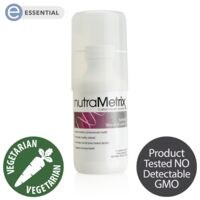 |
nutraMetrix Isotonix® Vitamin D with K2 |
What Makes nutraMetrix Isotonix® Vitamin D with K2 Unique?
nutraMetrix Isotonix Vitamin D with K2 contains vitamin D3, the metabolically active form of vitamin D, along with vitamin K2, a form of vitamin K which supports vascular health and calcium utilization. Vitamin D plays an important role in bone health, heart health and immune support, while working with vitamin K to support normal absorption of calcium and promote healthy arteries. nutraMetrix Isotonix Vitamin D is the first of its kind to deliver both of these powerful vitamins with isotonic delivery.
Vitamin K is included in nutraMetrix Isotonix Vitamin D with K2 because of its unique partnership with vitamin D. Vitamins K and D work together to support calcium absorption and utilization. Vitamin K supports the normal delivery of calcium to the bones and promotes healthy arteries.
At least two naturally-occurring forms of vitamin K have been identified and are known as K1 and K2. While there are many similarities between these two forms of vitamin K, they are distinguished by their important differences. The most significant difference between K1 and K2 is their chemical structure which results in different pharmacokinetic properties. Vitamin K1 is retained primarily in the liver where, at high doses, it may interfere with the action of warfarin and other anticoagulant medications.
Vitamin K2 has a different mechanism of action. It is transported primarily to bones and blood vessels. Vitamin K2 helps to maintain bone mass, support calcium utilization and promote elasticity of blood vessels.
Some studies have concluded that vitamin K2 does not interfere with anticoagulant medications.* However, most products containing vitamin K (including K1 and/or K2) warn users taking anticoagulants not to take the product. If you are currently taking warfarin or another anticoagulant medication, you should consult your physician before taking any product containing vitamin K1 or K2.
Isotonix dietary supplements are delivered in an isotonic solution. This means that the body has less work to do to obtain maximum absorption of the nutrients. The isotonic state of the suspension allows nutrients to pass directly into the small intestine and rapidly absorb into the bloodstream. With Isotonix products, little nutritive value is lost, making the absorption of nutrients highly efficient while delivering maximum results.
Key Ingredients Found in nutraMetrix Isotonix® Vitamin D with K2:
Vitamin D3 (Cholecalciferol) 5000 IU
Vitamin D is a fat-soluble vitamin that is found in some foods and endogenously produced when sunlight strikes the skin and activates vitamin D synthesis. Vitamin D promotes the efficient intestinal absorption of calcium, primarily in the duodenum and jejunum by supporting the synthesis of calcium-binding proteins to promote normal calcium absorption and retention. Vitamin D also promotes the normal formation of bone and normal bone growth and bone remodeling by osteoblasts and osteoclasts. Vitamin D deficiency can be caused by factors such as lack of exposure to sunlight, reduced skin synthesis of vitamin D, lower dietary intake, impaired intestinal absorption and reduced metabolism to active forms of vitamin D by the kidneys, all of which increase with aging. Deficiency has been linked to numerous health concerns, and insufficient levels of this vitamin are associated with weak bones and muscle weakness. In addition to promoting strong bones, vitamin D also has other roles in health, including supporting the body’s normal modulation of neuromuscular function and immune function. Vitamin D has been shown to support immune-modulation, and it is thought that supplementation promotes immune health by promoting the body’s normal regulation of T-cell function. In reference to cellular health, vitamin D supports the modulation of many genes that are responsible for encoding proteins that regulate normal cell cycle activity. Vitamin D levels have been strongly correlated to healthy cells. Lastly, through its interaction with VDR (vitamin D receptor), vitamin D supports the healthy expression of the gene encoding renin, thus helping to maintain healthy blood pressure.*
Vitamin K2 45 mcg
Vitamin K is a fat-soluble vitamin found in meat, eggs, dairy and natto. Although a fat-soluble vitamin, the body stores very little K2, and its stores are rapidly depleted without regular dietary intake. Natural vitamin K2, also known as menaquinone-7 (MK-7), is the most bioavailable form of K2 and has the longest half-life in the blood of any form of vitamin K. The Japanese soy food natto is particularly rich in menaquinone-7 (MK-7). Studies of natto consumption in Japan have linked menaquinone-7 to bone and cardiovascular health. The correlation of vitamin K to cardiovascular and bone health directly focuses on supporting proper calcium utilization, whereby adequate metabolism of calcium supports arterial and bone health. This is often referred to as the calcium paradox. The calcium paradox is explained simply as getting calcium in the right place (i.e., into the bone structures instead of the arterial vessel walls.) These events are dependent upon the synthesis of the vitamin K-dependent proteins osteocalcin and matrix Gla protein in a process called carboxylation. The carboxylation of these proteins is a post-translational step; that is, osteocalcin and matrix Gla protein are translated from their respective messenger RNA and then modified by enzymes to the active forms. These carboxylated forms support the healthy binding and releasing of calcium. This reaction is essential for optimal and healthy utilization of calcium. Vitamin K2 promotes the synthesis of proteins involved with calcium utilization, thereby supporting bone retention and arterial health. While Vitamin D supports the healthy regulation and synthesis of osteocalcin, the mineral-binding capacity of this protein requires vitamin K-dependent carboxylation and is thought to be related to bone mineralization. Gas6 is a vitamin K-dependent protein found throughout the nervous system, as well in the heart, lungs, stomach, kidneys and cartilage. Although the exact mechanism of its action has not been determined, Gas6 appears to be a cellular growth regulator involved in cellular activities such as cell adhesion, cell proliferation and protection against apoptosis.*
Orlampa
Enterprises, Inc. specializes in helping individuals lose sickness and find wellness.
Orlampa Enterprises also helps health care professionals implement
holistic wellness programs into their existing practice with the goal to
educate both the health care provider and the patient. The programs, which
provide the health care professional with a substantial additional income
stream in this ever changing medical marketplace, allow the patient to achieve
true wellness instead of receiving a traditional treatment for symptoms.
Orlampa Enterprises is an internet based product broker specializing in personalized health and wellness related services. Orlampa Enterprises is primed to continue its growth by duplicating its successful business model of educating, training, and developing entrepreneurial leaders as business partners. As an Unfranchise™ business owner, Orlampa Enterprises, proudly utilizes highly researched products including nutraMetrix® nutritional supplements.
Orlampa Enterprises is an internet based product broker specializing in personalized health and wellness related services. Orlampa Enterprises is primed to continue its growth by duplicating its successful business model of educating, training, and developing entrepreneurial leaders as business partners. As an Unfranchise™ business owner, Orlampa Enterprises, proudly utilizes highly researched products including nutraMetrix® nutritional supplements.
Orlampa Enterprises' motto is "Eat well, exercise, and
supplement intelligently."
Contact Beth at bb@orlampa.com or 727.492.8212 for more information about nutraMetrix® partnership opportunities available.
Contact Beth at bb@orlampa.com or 727.492.8212 for more information about nutraMetrix® partnership opportunities available.
Monday, October 8, 2012
Vitamin D for Cancer and Fibroids
Vitamin D for Cancer and Fibroids
Monday, 07 May 2012 21:23
Mankind’s main source of
vitamin D comes from sunshine. When the UVB rays of the sun strikes the
skin it converts cholesterol in the epidermal skin cells into vitamin
D. Dark skin, old age and the use of sunblock greatly reduces the
production of this vitamin from sunshine. Vitamin D is also available as
a supplement is safe and inexpensive while providing many benefits for
all, especially women. Sadly the research indicates that most women are
deficient in vitamin D.Although there is much publicity about the need
for vitamin D to protect women’s bones against osteoporosis, this
vitamin has many other important uses for women.
Vitamin D and Breast Cancer
There is very good evidence
that vitamin D lowers the risk of breast cancer. Studies of vitamin D
levels in women diagnosed with breast cancer show that the risk of
breast cancer decreases rapidly as vitamin D levels increase.
Earlier, French scientists had suggested that getting added vitamin D from both supplements and sunshine might
be the most effective way to prevent and treat breast cancers. The
researchers in France came to that conclusion after examined the records
of over 67,000 French women
Vitamin D's most active form D3 blocks the growth of breast cancer tumors by encouraging the cells in the breast to remain healthy or, if cancer develops, it stimulates the cancer cells to commit cell suicide (apoptosis). D3 also decreases the blood supply to tumors and reduces the spread of cancer. Although I have not seen any reported studies of treating breast cancer with vitamin D, some cancer treatment centers are now giving their cancer patients at least 5000 IU/day vitamin D. Holistic physicians like myself recommend even higher dosages along with daily sunbaths. Studies have shown that the combination of vitamin D and a calcium intake of more than 1000 mg/day provides added breast cancer protection for premenopausal women.Many other types of cancer including colon, prostate and lung cancer have been shown to respond favorably to vitamin D.
VITAMIN D and FIBROIDS
A new study published in the journal Biology of Reproduction has found that vitamin D may effectively reduce the size of existing uterine fibroids, and may even help prevent them from forming in the first place.
This study provide a promising new approach in the search for a non-surgical treatment for fibroids that doesn't affect fertility, commented Dr. Louis De Paolo of the National Institutes of Health.Rather than waiting to have a surgical procedure, women with fibroid tumors (or who may develop them later) may benefit greatly from simply exposing themselves more regularly to natural sunlight, and/or by supplementing with vitamin D3.
GET ENOUGH VITAMIN D
In just one hour of full body exposure to sunshine the body can produce up to 50,000 IU of vitamin D. But remember, the older you are, the darker your complexion the less effective your skin becomes in making vitamin D. The use of sun blocks will stop virtually all vitamin D production. There is now an alarmingly high level of vitamin D deficiency in black people living in western societies.
For healthy individuals I
recommend supplementing with vitamin D3 between 2000 and 5000 IU daily.
Specific illness may require higher amounts to raise your vitamin D
level to an optimal range. For higher therapeutic dosages I use vitamin
D3 drops. Ideally you should monitor your blood vitamin D levels to
determine your individual needs for this important vitamin.
Whether it is breast
cancer, uterine fibroids, osteoporosis, heart disease, high blood
pressure, diabetes, chronic infections, neurological problems,
respiratory ailments or skin diseases vitamin D has been shown to
provide numerous benefits without negative side effects. It is not just
for women but also critical for the health of men and children.
The Vitamin D
Council has extensive scientific literature involving vitamin D and the
many disorders that affect women men and children worldwide. It can be
accessed at: www.vitamindcouncil.org
****
 |
Learn more about nutraMetrix Isotonix® Vitamin D with K2 |
Primary Benefits of nutraMetrix Isotonix® Vitamin D with K2*:
- Promotes normal bone mineral density
- Promotes healthy arteries
- Supports immune health
- Helps maintain bone health
- Helps maintain bone mass by supporting normal osteoclast activity
- Helps maintain cardiovascular health
- Promotes elasticity of blood vessels
- Helps maintain normal blood pressure
- Women with low bone density have been found to be deficient in vitamin K
Key Ingredients Found in nutraMetrix Isotonix® Vitamin D with K2:
Vitamin D3 (Cholecalciferol) 5000 IU
Vitamin D is a fat-soluble vitamin that is found in some foods and endogenously produced when sunlight strikes the skin and activates vitamin D synthesis. Vitamin D promotes the efficient intestinal absorption of calcium, primarily in the duodenum and jejunum by supporting the synthesis of calcium-binding proteins to promote normal calcium absorption and retention. Vitamin D also promotes the normal formation of bone and normal bone growth and bone remodeling by osteoblasts and osteoclasts. Vitamin D deficiency can be caused by factors such as lack of exposure to sunlight, reduced skin synthesis of vitamin D, lower dietary intake, impaired intestinal absorption and reduced metabolism to active forms of vitamin D by the kidneys, all of which increase with aging. Deficiency has been linked to numerous health concerns, and insufficient levels of this vitamin are associated with weak bones and muscle weakness. In addition to promoting strong bones, vitamin D also has other roles in health, including supporting the body’s normal modulation of neuromuscular function and immune function. Vitamin D has been shown to support immune-modulation, and it is thought that supplementation promotes immune health by promoting the body’s normal regulation of T-cell function. In reference to cellular health, vitamin D supports the modulation of many genes that are responsible for encoding proteins that regulate normal cell cycle activity. Vitamin D levels have been strongly correlated to healthy cells. Lastly, through its interaction with VDR (vitamin D receptor), vitamin D supports the healthy expression of the gene encoding renin, thus helping to maintain healthy blood pressure.*
Vitamin K2 45 mcg
Vitamin K is a fat-soluble vitamin found in meat, eggs, dairy and natto. Although a fat-soluble vitamin, the body stores very little K2, and its stores are rapidly depleted without regular dietary intake. Natural vitamin K2, also known as menaquinone-7 (MK-7), is the most bioavailable form of K2 and has the longest half-life in the blood of any form of vitamin K. The Japanese soy food natto is particularly rich in menaquinone-7 (MK-7). Studies of natto consumption in Japan have linked menaquinone-7 to bone and cardiovascular health. The correlation of vitamin K to cardiovascular and bone health directly focuses on supporting proper calcium utilization, whereby adequate metabolism of calcium supports arterial and bone health. This is often referred to as the calcium paradox. The calcium paradox is explained simply as getting calcium in the right place (i.e., into the bone structures instead of the arterial vessel walls.) These events are dependent upon the synthesis of the vitamin K-dependent proteins osteocalcin and matrix Gla protein in a process called carboxylation. The carboxylation of these proteins is a post-translational step; that is, osteocalcin and matrix Gla protein are translated from their respective messenger RNA and then modified by enzymes to the active forms. These carboxylated forms support the healthy binding and releasing of calcium. This reaction is essential for optimal and healthy utilization of calcium. Vitamin K2 promotes the synthesis of proteins involved with calcium utilization, thereby supporting bone retention and arterial health. While Vitamin D supports the healthy regulation and synthesis of osteocalcin, the mineral-binding capacity of this protein requires vitamin K-dependent carboxylation and is thought to be related to bone mineralization. Gas6 is a vitamin K-dependent protein found throughout the nervous system, as well in the heart, lungs, stomach, kidneys and cartilage. Although the exact mechanism of its action has not been determined, Gas6 appears to be a cellular growth regulator involved in cellular activities such as cell adhesion, cell proliferation and protection against apoptosis.*
What Makes nutraMetrix Isotonix® Vitamin D with K2 Unique?
nutraMetrix Isotonix Vitamin D with K2 contains vitamin D3, the metabolically active form of vitamin D, along with vitamin K2, a form of vitamin K which supports vascular health and calcium utilization. Vitamin D plays an important role in bone health, heart health and immune support, while working with vitamin K to support normal absorption of calcium and promote healthy arteries. nutraMetrix Isotonix Vitamin D is the first of its kind to deliver both of these powerful vitamins with isotonic delivery.
Vitamin K is included in nutraMetrix Isotonix Vitamin D with K2 because of its unique partnership with vitamin D. Vitamins K and D work together to support calcium absorption and utilization. Vitamin K supports the normal delivery of calcium to the bones and promotes healthy arteries.
At least two naturally-occurring forms of vitamin K have been identified and are known as K1 and K2. While there are many similarities between these two forms of vitamin K, they are distinguished by their important differences. The most significant difference between K1 and K2 is their chemical structure which results in different pharmacokinetic properties. Vitamin K1 is retained primarily in the liver where, at high doses, it may interfere with the action of warfarin and other anticoagulant medications.
Vitamin K2 has a different mechanism of action. It is transported primarily to bones and blood vessels. Vitamin K2 helps to maintain bone mass, support calcium utilization and promote elasticity of blood vessels.
Some studies have concluded that vitamin K2 does not interfere with anticoagulant medications.* However, most products containing vitamin K (including K1 and/or K2) warn users taking anticoagulants not to take the product. If you are currently taking warfarin or another anticoagulant medication, you should consult your physician before taking any product containing vitamin K1 or K2.
Isotonix dietary supplements are delivered in an isotonic solution. This means that the body has less work to do to obtain maximum absorption of the nutrients. The isotonic state of the suspension allows nutrients to pass directly into the small intestine and rapidly absorb into the bloodstream. With Isotonix products, little nutritive value is lost, making the absorption of nutrients highly efficient while delivering maximum results.
Related terms: vitamin D, vitamin K, bone health, cardiovascular health, immune support, D3, K2
Frequently Asked Questions about nutraMetrix Isotonix® Vitamin D with K2:
Why is vitamin K included in nutraMetrix Isotonix Vitamin D with K2?
Vitamin K is included in this product because of its unique partnership with vitamin D. Vitamins K and D work together to promote healthy calcium absorption and utilization. Vitamin K supports the delivery of calcium to the bones and helps maintain arterial health.*
Is nutraMetrix Isotonix Vitamin D with K2 safe for people on anticoagulant medications?Some studies have concluded that vitamin K2 does not interfere with anticoagulant medications. However, most products containing vitamin K (including K1 and/or K2) warn users taking anticoagulants not to take the product. If you are currently taking warfarin or another anticoagulant medication, you should consult your physician before taking any product containing vitamin K1 or K2.
How do I take nutraMetrix Isotonix Vitamin D with K2?
Mix one capful of Isotonix Vitamin D with K2 with 2 ounces of water. Take one serving daily.
Is it safe to take more than 1 serving of this product daily?
One serving daily of Isotonix Vitamin D with K2 is recommended. Check with your physician before taking additional daily servings of this product.
Is there a toxicity level for vitamin D?
The recommended daily Upper Limit for vitamin D is 10,000 IU, however, safety studies indicate that up to 40,000 IU may be safe for most people. If you wish to take more than one daily serving of this product, you should check with your physician.
What are dietary sources of vitamin D?
Foods rich in vitamin D include cod liver oil, salmon, mackerel and tuna.
* These statements have not been evaluated by the Food and Drug Administration.
This product(s) is not intended to diagnose, treat, cure or prevent any disease.
This product(s) is not intended to diagnose, treat, cure or prevent any disease.
Scientific Studies Which Support nutraMetrix Isotonix® Vitamin D with K2:
· Knapen
M et al. Vitamin K2 supplementation improves hip bone geometry and bone
strength indices in postmenopausal women. Osteoporosis International.
18(7):963-72, 2007.
· Shiraki,
M., et al. Vitamin K2 (menatetrenone) effectively prevents fractures
and sustains lumbar bone mineral density in osteoporosis. Journal of
Bone & Mineral Research. 15:515-522, 2000.
· Hiruma
Y et al. Vitamin K(2) and geranylgeraniol, its side chain component,
inhibited osteoclast formation in a different manner. Biochemical
Biophysical Research Communications. 314(1):24-30, 2004.
· Plaza S and Lamson D. Vitamin K2 in bone metabolism and osteoporosis. Alternative Medicine Reviews. 10(1):24-35, 2005. Review.
· Kameda
T et al. Vitamin K2 inhibits osteoclastic bone resorption by inducing
osteoclast apoptosis. Biochemical and Biophysical Research
Communications. 220(3):515-519, 1996.
· Taira
H et al. Menatetrenone (vitamin K2) acts directly on circulating human
osteoclast precursors. Calcified Tissue International. 73(1):78-85,
2003.
Hidaka T et al. Treatment for patients with postmenopausal osteoporosis who have been placed on HRT and show a decrease in bone mineral density: effects of concomitant administration of vitamin K(2). Journal of Bone and Mineral Metabolism. 20(4):235-239, 2002.
Hidaka T et al. Treatment for patients with postmenopausal osteoporosis who have been placed on HRT and show a decrease in bone mineral density: effects of concomitant administration of vitamin K(2). Journal of Bone and Mineral Metabolism. 20(4):235-239, 2002.
· Iwamoto J et al. Effects of vitamin K2 on osteoporosis. Current Pharmaceutical Design. 10(21):2557-2576, 2004.
· Iwamoto
J et al. Treatment with vitamin D3 and/or vitamin K2 for postmenopausal
osteoporosis. The Keio Journal of Medicine. 2003 Sep;52(3):147-50.
Review.
· Neogi,
T., et al. Low vitamin K status is associated with osteoarthritis in
the hand and knee. Arthritis and Rheumatism. 54(4):1255-1261, 2006.
Price P. Role of vitamin K-dependent proteins in bone metabolism. Annual Review of Nutrition. 8:565-583, 1988.
Price P. Role of vitamin K-dependent proteins in bone metabolism. Annual Review of Nutrition. 8:565-583, 1988.
· Bekner K. The vitamin K-dependent carboxylase. Journal of Nutrition. 130(8):1877-1880, 2000.
· Nelsestuen G et al. Vitamin K-dependent proteins. Vitamins and Hormones. 58:355-389, 2000.
· Shearer
M. Role of vitamin K and Gla proteins in the pathophysiology of
osteoporosis and vascular calcification. Current Opinion in Clinical
Nutrition and Metabolic Care. 3(6):433-438, 2000.
· Gundberg
C et al. Vitamin K status and bone health: an analysis of methods for
determination under carboxylated osteocalcin. Journal of Clinical
Endocrinology and Metabolism. 83(9):3258-3266, 1998.
· Weber
P. Management of osteoporosis: is there a role for vitamin K?
International Journal for Vitamin and Nutrition Research. 67(5):350-6,
1997.
· Garber,
A. K., et al. Comparison of phylloquinone bioavailability from food
sources or a supplement in human subjects. Journal of Nutrition.
129(6):1201-1203, 1999.
· Binkley N et al. Vitamin K nutrition and osteoporosis. Journal of Nutrition. 125(7):1812-1821, 1995.
· Bischoff-Ferrari
Het al. Fracture prevention with vitamin D supplementation: a
meta-analysis of randomized controlled trials. JAMA.
293(18):2257-2264, 2005.
· Guirguis-Blake
J et al. Oral vitamin D3 decreases fracture risk in the elderly.
Journal of Family Practice. 52(6):431-435, 2003.
· Schaafsma,
A., et al. Vitamin D3 and vitamin K1 supplementation of Dutch
postmenopausal women with normal and low bone mineral densities:
effects on serum 25-hydroxyvitamin D and carboxylated osteocalcin.
European Journal of Clinical Nutrition. 54:626-631, 2000.
· Trivedi
Det al. Effect of four monthly oral vitamin D3 (cholecalciferol)
supplementation on fractures and mortality in men and women living in
the community: randomised double blind controlled trial. British
Medical Journal. 326(7387):469, 2003.
· Van
den Berghe G et al. Bone turnover in prolonged critical illness:
effect of vitamin D. Journal of Clinical Endocrinology and Metabolism.
88(10):4623-4632, 2003.
· Chapuy M et al. Vitamin D3 and calcium to prevent hip fractures in the elderly women. New England Journal of Medicine. 327(23):1637-1642, 1992.
· Grant W and Holick M. Benefits and requirements of vitamin D for optimal health. Alternative Medicine Review. 10:94-111, 2005.
· Plaza S and Lamson D. Vitamin K2 in bone metabolism and osteoporosis. Alternative Medicine Reviews. 10(1):24-35, 2005. Review.
· Zitterman
A et al. Low vitamin D status: a contributing factor in the
pathogenesis of congestive heart failure? Journal of the American College of Cardiology. 41(1):105-112, 2003.
· Schleithoff
S et al. Vitamin D supplementation improves cytokine profiles in
patients with congestive heart failure: a double-blind, randomized,
placebo-controlled trial. American Journal of Clinical Nutrition.
83(4):754-759, 2006.
Argiles A et al. Blood pressure is correlated with vitamin D(3) serum levels in dialysis patients. Blood Purification. 20(4):370-375, 2002.
Argiles A et al. Blood pressure is correlated with vitamin D(3) serum levels in dialysis patients. Blood Purification. 20(4):370-375, 2002.
· Kristal-Boneh E et al. Association of calcitriol and blood pressure in normotensive men. Hypertension. 30(5):1289-1294, 1997.
· Li
Y et al. 1,25-Dihydroxyvitamin D(3) is a negative endocrine regulator
of the renin-angiotensin system. Journal of Clinical Investigation.
110(2):229-238, 2002.
· Li Y et al. Vitamin D regulation of the renin-angiotensin system. Journal of Cell Biochemistry. 88(2):327-331, 2003.
· Li
Y et al. Vitamin D: a negative endocrine regulator of the
renin-angiotensin system and blood pressure. Journal of Steroid
Biochemistry and Molecular Biology. 89-90(1-5):387-392, 2004.
· Pfeifer
M et al. Effects of a short-term vitamin D(3) and calcium
supplementation on blood pressure and parathyroid hormone levels in
elderly women. Journal of Clinical Endocrinology and Metabolism.
86(4):1633-1637, 2001.
· Sigmund
C. Regulation of renin expression and blood pressure by vitamin D(3).
Journal of Clinical Investigation. 110(2):155-156, 2002.
Vasquez A et al. The clinical importance of vitamin D (cholecalciferol): a paradigm shift with implications for all healthcare providers. Alternative Therapies. 10(5):28-38, 2004.
Vasquez A et al. The clinical importance of vitamin D (cholecalciferol): a paradigm shift with implications for all healthcare providers. Alternative Therapies. 10(5):28-38, 2004.
· Nimptsch K et al. Dietary intake of vitamin K and risk of prostate cancer in the Heidelberg
cohort of the European Prospective Investigation into Cancer and
Nutrition. American Journal of Clinical Nutrition. 87:985-992, 2008.
· Habu
D et al. Role of vitamin K2 in the development of hepatocellular
carcinoma in women with viral cirrhosis of the liver. JAMA.
292(3):358-361, 2004.
· Yoshida
T et al. Apoptosis induction of vitamin K2 in lung carcinoma cell
lines: the possibility of vitamin K2 therapy for lung cancer.
International Journal of Oncology. 23(3):627-632, 2003.
· Lamson D and Plaza S. The anticancer effects of vitamin K. Alternative Medicine Review. 8(3):303-18, 2003.
Yokoyama T et al. Combination of vitamin K2 plus imatinib mesylate enhances induction of apoptosis in small cell lung cancer cell lines. International Journal of Oncology. 26(1):33-40, 2005.
Yokoyama T et al. Combination of vitamin K2 plus imatinib mesylate enhances induction of apoptosis in small cell lung cancer cell lines. International Journal of Oncology. 26(1):33-40, 2005.
· Chlebowski R et al. Vitamin K in the treatment of cancer. Cancer Treatment Review. 12:49-63, 1985.
· Lamson D et al. The anticancer effects of vitamin K. Alternative Medicine Review. 8(3):303-318, 2003.
· Hitomi M et al. Antitumor effects of vitamins K1, K2 and K3 on hepatocellular carcinoma in vitro and in vivo. International Journal of Oncology. 26(3):713-720, 2005.
· Nouso
K et al. Regression of hepatocellular carcinoma during vitamin K
administration. World Journal of Gastroenterology. 11(42):6722-6724,
2005.
· Blackmore
K et al. Vitamin D from dietary intake and sunlight exposure and the
risk of hormone-receptor-defined breast cancer. American Journal of
Epidemiology. 168(8):915-24, 2008.
· Deluca H et al. Vitamin D: its role and uses in immunology. FASEB Journal. 15(14):2579-2585, 2001.
Adorini L. Immunomodulatory effects of vitamin D receptor ligands in autoimmune diseases. International Immunopharmacology. 2(7):1017-1028, 2002.
Adorini L. Immunomodulatory effects of vitamin D receptor ligands in autoimmune diseases. International Immunopharmacology. 2(7):1017-1028, 2002.
· Cantorna
M et al. Mounting evidence for vitamin D as an environmental factor
affecting autoimmune disease prevalence. Experimental Biology and
Medicine (Maywood). 229(11):1136-1142, 2004.
· Cantorna
M. Vitamin D and autoimmunity: is vitamin D status an environmental
factor affecting autoimmune disease prevalence? Society for Experimental
Biology and Medicine. 223:230-233, 2000.
· Garland C et al. The role of vitamin D in cancer prevention. American Journal of Public Health. 96(2):252-61, 2006.
· Giovannucci
E et al. Prospective study of predictors of vitamin D status and
cancer incidence and mortality in men. Journal of the National Cancer
Institute. 98(7):451-459, 2006.
· Holick,
M. Vitamin D: Its role in cancer prevention and treatment. Progress
in Biophysics and Molecular Biology. 92(1):49-59, 2006.
· Gorham
E et al. Vitamin D and prevention of colorectal cancer. Journal
Steroid Biochemistry and Molecular Biology. 97(1-2):179-94, 2005.
· Grant
W et al. Reviews: A critical review of studies on vitamin D in
relation to colorectal cancer. Nutrition and Cancer. 48(2):115-123,
2004.
· Harris D et al. Vitamin D and colon carcinogenesis. Journal of Nutrition. 134(12):3463S-3471S, 2004.
· Hayes
C et al. The immunological functions of the vitamin D endocrine
system. Cellular and Molecular Biology. 49(2):277-300, 2003.
If you are a healthcare provider who would like to receive
nutritional counseling, please call Orlampa Enterprises, Inc. at
(727) 492-8212.
Orlampa Enterprises, Inc. specializes in helping
health care professionals implement holistic wellness programs into their
existing practice with the goal to educate both the health care provider and
the patient. The programs, which provide the health care professional with a
substantial additional income stream in this ever changing medical marketplace,
allow the patient to achieve true wellness instead of receiving a traditional
treatment for symptoms.
Orlampa Enterprises is an internet based product broker specializing in personalized health and wellness related services. Orlampa Enterprises is primed to continue its growth by duplicating its successful business model of educating, training, and developing entrepreneurial leaders as business partners. As an Unfranchise™ business owner, Orlampa Enterprises, proudly utilizes highly researched products including nutraMetrix® nutritional supplements.
Orlampa Enterprises is an internet based product broker specializing in personalized health and wellness related services. Orlampa Enterprises is primed to continue its growth by duplicating its successful business model of educating, training, and developing entrepreneurial leaders as business partners. As an Unfranchise™ business owner, Orlampa Enterprises, proudly utilizes highly researched products including nutraMetrix® nutritional supplements.
Orlampa Enterprises' motto is
"Eat well, exercise, and supplement intelligently."
Contact bb@orlampa.com for more information about nutraMetrix® partnership opportunities available.
Contact bb@orlampa.com for more information about nutraMetrix® partnership opportunities available.
Subscribe to:
Posts (Atom)